
By Dr. Lisa Ramsackal, HBSc, DC, RAc
Chiropractor, Registered Acupuncturist and Founder of Innova Integrated Wellness Centre
We live in an age where discomfort, stiffness and pain are often accepted as part of daily life. Many people come to our clinic believing their aches are “just how it is.” A sore neck after work, lower-back tightness after sitting, headaches that come and go, or tension that keeps returning can easily be dismissed as normal.
But what if your body is trying to tell you something?
At Innova Integrated Wellness Centre, we believe in a modern, proactive approach to health. Chiropractic and allied wellness care are not only for moments when the body “breaks down.” They can also help people monitor changes, understand early warning signs and make informed decisions before symptoms become more disruptive.
Prevention is not about fear. It is about awareness.
When we listen earlier, we often have more options. When we wait until pain affects work, sleep, movement or daily life, care can become more complicated. That is why your health truly is your wealth.
The Promise of Modern Chiropractic Care
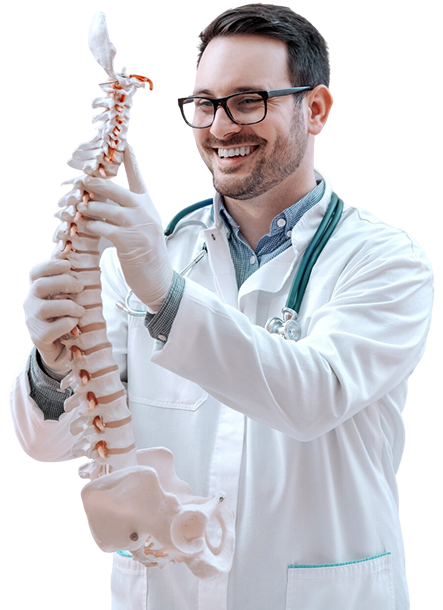
Chiropractic care offers a non-invasive, hands-on approach for selected concerns involving the spine, joints, muscles and movement.
A chiropractic assessment may look at posture, mobility, movement patterns, daily routines, previous injuries and the way symptoms affect function. Based on the assessment and the patient’s comfort, care may include joint mobilization, chiropractic adjustments when appropriate, soft-tissue techniques, exercise guidance, ergonomic advice and lifestyle education.
The goal is not to promise permanent correction or guarantee that every symptom will disappear. A more realistic goal is to support movement, comfort and function while helping the patient better understand what may be contributing to recurring discomfort.
Reactive care has its place. When pain flares up, it is important to assess what is happening and provide appropriate support. But true wellness also includes preventative care: paying attention before a small issue becomes a larger one.
Prevention: The Foundation of Lasting Health
Prevention means tuning in to the subtle signals your body gives before they escalate.
It is the difference between waiting for a major flare-up and noticing that stiffness, tightness or movement changes are becoming more frequent. It is the difference between ignoring repeated discomfort and asking whether your workstation, stress level, sleep, exercise routine or movement habits need attention.
Regular check-ins may help some people identify movement restrictions, posture habits, muscle tension or workload-related concerns earlier. This does not mean every person needs ongoing treatment forever. It means care should be based on assessment, goals, response and reassessment.
Over time, small changes in movement, strength, recovery or daily habits can affect how the body feels. A concern that starts as occasional stiffness may become more limiting if it is ignored, especially when combined with long sitting, repetitive work, poor recovery, stress or reduced activity.
Here’s why prevention is so important:
- It helps identify changes early
Minor changes in mobility, posture tolerance or movement may appear before symptoms become intense. Early assessment may help clarify whether simple changes, exercises or treatment are appropriate. - It may reduce unnecessary strain
When one area feels stiff or uncomfortable, people often change how they move. Other areas may begin working harder. Addressing movement and routine factors early may help reduce avoidable strain. - It supports resilience
A body that moves well, rests well and has adequate strength may respond better to daily physical stress. Resilience is built through movement, education, recovery and healthy habits. - It encourages better decisions
Prevention gives people information. Instead of guessing, ignoring symptoms or relying only on online advice, patients can receive an assessment and understand their options. - It may reduce long-term disruption
Managing a concern earlier may be easier than waiting until it affects work, sleep, exercise or daily responsibilities. Prevention is an investment in quality of life.
Is Your Body Asking for Attention?
Not all warning signs are dramatic. Some are subtle whispers.
You may notice:
- Occasional stiffness that bothers you more often than before
- Frequent tension or tightness in the neck, shoulders or lower back
- Difficulty sitting or standing for longer periods
- Headaches, even mild ones, that keep returning
- Tingling, numbness or pins-and-needles sensations in the arms or legs
- Fatigue after simple posture or movement demands
- Changes in posture or movement habits
- Reduced range of motion
- Joint clicking with discomfort
- Discomfort after desk work, driving or light activity
- Avoiding exercise because of fear of pain
- Feeling like your body does not recover as easily as it used to
If these signs appear, your body may be asking for attention. It may not be a major injury, but it may be a signal that something in your movement, workload, recovery or daily routine needs to be assessed.
These signs should not be used for self-diagnosis. Persistent, worsening or unusual symptoms should be reviewed by an appropriate healthcare provider.
Integrating Preventative Care Into Your Life
Prevention starts with a thorough assessment.
This may include a review of health history, current symptoms, daily activities, posture habits, movement, mobility, previous injuries and personal goals. When needed, a practitioner may recommend referral, imaging or medical assessment before treatment begins.
A tailored care plan may include:
- Chiropractic care
- Corrective or supportive exercises
- Ergonomic coaching
- Movement education
- Stretching or mobility guidance
- Strength and stability work
- Physiotherapy
- Registered Massage Therapy
- Acupuncture
- Lifestyle and recovery guidance
The right plan depends on the person. Some patients need one service. Others may benefit from coordinated care when there is a clear reason for each provider to be involved.
Think of Your Body Like a High-Performance Car
I often tell patients to think of the body like a high-performance car.
You would not wait for the engine to fail before checking the oil, rotating the tires or paying attention to a strange sound. You would not ignore a warning light until the car stops on the side of the road.
Yet many people wait until they are in pain before they think about their body.
Your body is not a machine, and human health is more complex than car maintenance. But the comparison is helpful because it reminds us that maintenance matters.
Preventative care is an ongoing investment in your health. It may help you maintain function, better understand your body and respond earlier when something changes.
Prevention Is Not Perfection
Preventative wellness care does not mean you must live perfectly. It does not mean you will never feel pain, never get injured or never need medical care.
Life happens. Stress happens. Aging happens. Accidents happen.
Prevention is about doing what you can, when you can. It is about building awareness and creating a healthier foundation.
Small steps may include:
- Taking breaks from long sitting
- Walking regularly
- Strengthening gradually
- Drinking enough water
- Improving sleep routines
- Managing stress in realistic ways
- Eating regular, balanced meals
- Setting up your workstation more comfortably
- Booking an assessment when symptoms keep returning
- Following through with recommended exercises
- Keeping up with appropriate medical checkups
Your wellness journey does not need to be extreme. It needs to be consistent and realistic.
How Integrated Wellness Care Supports Prevention
At Innova Integrated Wellness Centre, prevention is supported through an integrated clinic model.
This means patients can access different services in one place when more than one type of support is appropriate.
- Chiropractic care may help assess selected back, neck, joint and movement-related concerns.
- Physiotherapy may support rehabilitation, strength, balance, mobility and return to activity.
- Acupuncture may be considered as complementary care for selected pain, tension or stress-related concerns.
- Registered Massage Therapy may support muscle tension, relaxation and soft-tissue comfort for some patients.
An integrated model does not mean every patient needs every service. It means the care pathway can be personalized.
- Sometimes the best first step is chiropractic care.
- Sometimes it is physiotherapy.
- Sometimes massage or acupuncture may be appropriate.
- Sometimes the right step is referral to a physician or another healthcare provider.
The goal is not to over-treat. The goal is to guide.
When Should You Seek an Assessment?
You may want to book an assessment if you notice:
- Pain that keeps returning
- Stiffness that is becoming more frequent
- Symptoms lasting more than a few weeks
- Pain affecting sleep, work or exercise
- Neck or back discomfort after desk work
- Headaches that keep returning
- Tingling, numbness or weakness
- Difficulty returning to normal activity
- Reduced movement that does not improve
- Discomfort that changes how you walk, sit or move
Seek urgent medical care if you experience:
- Chest pain or difficulty breathing
- Sudden weakness, facial drooping or trouble speaking
- Loss of bladder or bowel control
- Numbness around the groin or saddle area
- Severe pain after a fall or accident
- Fever with severe back or neck pain
- Sudden severe headache
- Loss of consciousness
- Unexplained weight loss with persistent pain
Wellness care should never delay emergency care or medical treatment when those are needed.
A Message From Dr. Lisa
At Innova Integrated Wellness Centre, our goal is to partner with you, not just to treat, but to guide, maintain and support.
If your body is whispering, let’s listen together before it shouts.
Your health is your wealth because it affects every part of your life: how you move, work, sleep, care for your family, enjoy your day and plan for the future.
By acting earlier, asking better questions and building supportive habits, you give yourself the opportunity to protect what matters most.
Start Your Preventive Wellness Journey in Mississauga
Your body does not need to be in crisis before you take it seriously. If you are noticing recurring stiffness, discomfort, tension or movement changes, an assessment may help you understand what your body is trying to tell you.
Dr. Lisa Ramsackal, HBSc, DC, Rac
Chiropractor, Acupuncturist, Health Expert
Founder – INNOVA Integrated Wellness Centre
Web: www.innovaintegratedwellness.ca
Web: www.chiropractor-drlisa.ca
Email: contact@innovaintegratedwellness.ca
Email: drlisa@innovaintegratedwellness.ca
Facebook: @InnovegratedWellness
Instagram: innova_wellness
Book an appointment at Innova Integrated Wellness Centre or call (905) 814-9355.
Innova Integrated Wellness Centre
49 Queen Street South, Unit 8
Streetsville, Mississauga, Ontario L5M 1K5
Frequently Asked Questions
It means that health affects every part of daily life, including movement, work, sleep, energy and independence. Taking care of your body early may help you make better choices before symptoms become more disruptive.
No. Some people seek care because they already have pain, while others want to understand recurring stiffness, posture habits or movement changes before they become more limiting.
Chiropractic care cannot guarantee that pain will never happen. It may help selected patients assess movement-related concerns, manage discomfort and receive guidance on posture, activity and self-care.
Start with your main concern. Chiropractic care may suit back, neck or joint concerns. Physiotherapy may suit rehabilitation, strength or mobility goals. Massage may help muscle tension. Acupuncture may be considered for selected pain or stress-related concerns. If unsure, call the clinic first.
No. Integrated wellness care can support movement, comfort and lifestyle goals, but it does not replace medical diagnosis, emergency care, medication or specialist treatment.
Mild symptoms do not always require treatment. However, if discomfort keeps returning, affects work or sleep, limits movement or causes concern, an assessment may help clarify your options.
There is no universal schedule. Frequency should depend on your goals, assessment findings, symptoms and response to care. Care should be reviewed regularly rather than continued automatically.