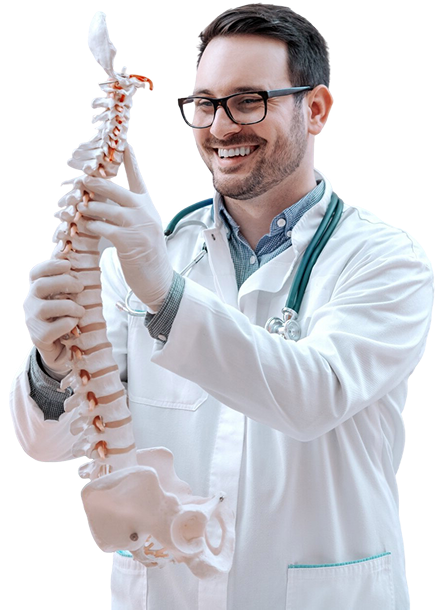

At Innova Integrated Wellness Centre, chiropractic assessment focuses on identifying relevant musculoskeletal findings, screening for concerns that need medical evaluation, and determining whether conservative care, another Innova service, or referral is the appropriate next step.
Which Headache Symptoms Need Medical Attention First?
Some headache patterns should be medically assessed before routine musculoskeletal care.
Seek emergency medical attention for:
- a sudden, extremely severe or “thunderclap” headache
- new weakness, numbness, confusion, difficulty speaking, vision loss, loss of coordination, or difficulty walking
- a severe headache after significant head or neck trauma
- fever with a severe headache and stiff neck
MedlinePlus provides additional guidance on headache warning signs.
Prompt medical assessment is also important when:
- headaches become more frequent or progressively worse
- the pattern changes substantially from your usual headaches
- a new headache occurs in someone with cancer or significant immune suppression
- a headache is new, severe, persistent, or unusual during pregnancy or in the postpartum period
The American College of Obstetricians and Gynecologists advises that persistent or severe headaches during pregnancy or after childbirth can require medical review, particularly when accompanied by visual changes, swelling, high blood pressure, shortness of breath, or other concerning symptoms.
Can Neck Tension Contribute to Headaches?
Neck and scalp muscle tenderness can accompany tension-type headaches. Some people notice headache episodes alongside upper-back or shoulder tightness, restricted neck movement, poor sleep, stress, or prolonged desk work.
However, neck tension does not prove that the neck is the cause of the headache.
The International Classification of Headache Disorders (ICHD-3) recognizes pericranial tenderness as a common finding in tension-type headache while also noting that the underlying mechanisms are not fully understood.
For patients whose symptoms seem to build during screen-heavy work, Innova’s guide to chiropractic care for posture strain and tech neck explains how movement variety, workstation demands, and daily habits may contribute to neck and shoulder discomfort.
What Is the Difference Between Tension-Type and Cervicogenic Headache?
Tension-type headache and cervicogenic headache are different diagnostic categories, even though both may occur with neck discomfort.
Tension-Type Headache
Tension-type headache is a primary headache disorder.
It is commonly described as:
- pressure or tightening rather than throbbing
- mild to moderate in intensity
- often affecting both sides of the head
- not usually aggravated by routine activity such as walking or climbing stairs
Muscle tenderness may be present, but that alone does not establish a cervical disorder as the cause.
Cervicogenic Headache
Cervicogenic headache is a secondary headache attributed to a disorder in the neck.
Features may include:
- headache associated with a cervical disorder or lesion
- reduced neck range of motion
- headache provoked or worsened by certain neck movements
- pain that may begin in the neck or back of the head and spread forward
The ICHD-3 cervicogenic headache criteria require evidence supporting a causal relationship with a cervical disorder.
Imaging findings alone do not prove that a neck change is causing the headache because similar findings may occur in people without headache symptoms.
Migraine is another important consideration, particularly when headaches involve nausea, sensitivity to light or sound, or worsening with routine activity. Neck discomfort can occur with migraine and does not automatically make a headache cervicogenic.
When Might a Chiropractic Assessment Be Reasonable?
A chiropractic assessment may be reasonable when a familiar or recurring headache pattern occurs with neck stiffness, restricted movement, muscle tenderness, or movement-related discomfort.
Examples include:
- recurring headaches alongside neck or upper-back discomfort
- difficulty turning the head comfortably during everyday tasks
- symptoms that repeatedly appear during desk work or prolonged screen use
- uncertainty about whether exercises, movement changes, or manual care are appropriate
- headaches that seem to occur with recurring neck strain but have already been medically assessed where necessary
New, changing, unexplained, or concerning headaches should not be assumed to be musculoskeletal.
Innova’s guide to signs you may need a chiropractor for back or neck pain provides additional context on when assessment or referral may be appropriate.
What Happens During a Neck and Headache Assessment?
A useful headache assessment begins with the history, not with an automatic adjustment.
The clinician first needs to understand:
- when the headaches began
- where the pain is located
- how long episodes last
- how often they occur
- whether the pattern has changed
- what associated symptoms occur
- what activities aggravate or ease symptoms
- whether there has been recent injury
- relevant medical diagnoses
- medications and previous treatments
Frequent use of some headache medications can contribute to medication-overuse headache. Patients should discuss medication concerns with a physician or pharmacist and should not stop prescribed medication without appropriate medical guidance.
Examining Movement and Function
Depending on the presentation, a chiropractic examination may include:
- neck range of motion
- muscle tenderness
- joint function
- posture and movement observations
- relevant orthopedic testing
- neurological screening
The goal is to interpret examination findings in the context of the headache history rather than treating an isolated finding as proof of the headache’s cause.
The College of Chiropractors of Ontario outlines the role of chiropractic assessment and the responsibility to refer when a concern falls outside chiropractic scope.
What May Chiropractic Care Include?
When assessment supports conservative musculoskeletal care, the plan may include:
- education about the headache and neck symptoms
- individualized exercises
- movement or activity guidance
- soft-tissue treatment
- joint mobilization
- ergonomic or workstation recommendations
- selected chiropractic manipulation when clinically appropriate and consented to
A neck adjustment is not automatically required simply because someone has a headache.
Care should be linked to specific assessment findings and measurable goals rather than claims about correcting a universal underlying cause.
What Does the Evidence Say About Exercise and Physical Therapy?
The 2023 VA/DoD Clinical Practice Guideline for the Management of Headache gives a weak recommendation for physical therapy in the management of tension-type, migraine, or cervicogenic headache.
The same guideline gives a weak recommendation for aerobic exercise or progressive strength training for prevention of tension-type headache and migraine.
These recommendations are based on limited evidence. They support considering active rehabilitation strategies where appropriate, but they do not establish that one particular manual or chiropractic technique will help every patient.
Exercises may focus on comfortable neck movement, endurance, strength, or gradually improving tolerance for work and daily activity.
What Are the Limits of Manual Care for Headaches?
Manual treatment may be considered when relevant neck findings are present, but it should not be presented as a cure for headache disorders.
Evidence supporting manual care for cervicogenic headache should also not be used as proof that neck manipulation treats all tension-type headaches.
Improvement in neck comfort is different from demonstrating a meaningful reduction in headache frequency or disability.
If headaches persist, change, or fail to respond as expected, reassessment is more appropriate than repeating the same treatment indefinitely.
Will You Need a Neck Adjustment?
Not necessarily.
A chiropractic assessment may lead to exercise, education, mobilization, soft-tissue care, manipulation, referral, or a combination of approaches depending on the findings.
Before treatment, the clinician should discuss:
- the proposed technique
- why it is being recommended
- expected benefits
- reasonable alternatives
- material risks
- what may happen if the treatment is declined
The College of Chiropractors of Ontario’s Standards of Practice include S-013: Consent, which requires informed and voluntary consent for examination and care.
Patients can ask about non-thrust or exercise-led alternatives, decline a proposed technique, and withdraw consent at any time.
Chiropractic, Physiotherapy or Acupuncture: Which Should You Choose?
The most appropriate starting point depends on the headache diagnosis, neck findings, functional limitations, goals, and patient preferences.
Chiropractic Assessment
Chiropractic assessment may be relevant when recurring headaches occur with neck stiffness, restricted motion, joint or muscle findings, or movement-related discomfort.
Care may include education, exercise, soft-tissue techniques, mobilization, or selected manipulation when appropriate.
Physiotherapy
Physiotherapy at Innova may be useful when the primary goals involve progressive exercise, neck endurance, movement tolerance, strength, rehabilitation, or return to activity.
Acupuncture
Acupuncture at Innova may be considered for some patients with tension-type headache after assessment and discussion of evidence, risks, and preferences.
A 2025 systematic review and meta-analysis indexed in PubMed reported possible reductions in headache frequency and improved responder rates with acupuncture compared with sham acupuncture in the included trials. However, the evidence base remains relatively small and does not establish that acupuncture is superior to physiotherapy, chiropractic care, or medical management for an individual patient.
Medical Assessment and Coordinated Care
Medical assessment remains important for:
- new or changing headache patterns
- frequent disabling headaches
- diagnostic uncertainty
- medication advice
- neurological symptoms
- headaches that do not behave as expected
Receiving several services at the same time is not automatically better. When care is shared, goals should be coordinated to avoid unnecessary duplication.
What Can You Track Between Appointments?
A simple headache diary can make reassessment more useful.
Consider recording:
- headache days
- duration
- pain intensity
- associated symptoms
- medication use
- neck symptoms
- work or activity limitations
- possible triggers without assuming they are the cause
This can help the clinician assess whether the pattern is changing and whether care is helping meaningful outcomes such as headache frequency, function, and daily activity.
For desk-related symptoms, Innova’s article on chiropractic care for desk-job back and neck pain includes practical workstation and movement guidance.
Additional Innova Headache and Neck-Pain Resources
Innova’s Media & Resources library includes educational material approved or presented by Dr. Lisa Ramsackal, including a dedicated Tension Headaches video as well as resources on neck pain, workstation ergonomics, repetitive strain, posture, and back care.
This gives patients an additional first-party educational resource to review alongside their clinical assessment.
Chiropractic Care at Innova Integrated Wellness Centre
Innova Integrated Wellness Centre is located at 49 Queen Street South, Unit 8, Streetsville, Mississauga.
Chiropractic care is provided by Dr. Lisa Ramsackal, HBSc, DC, RAc, Chiropractor, Registered Acupuncturist and Clinic Director.
Dr. Lisa’s current clinic profile describes a multimodal approach that may include chiropractic adjustments, joint mobilization, soft-tissue techniques, rehabilitation, and acupuncture within her professional training and scope.
Patients attending for recurring headaches should bring:
- a list of medications and supplements
- relevant medical reports, if available
- information about headache frequency and duration
- details of any recent injury
- a description of how symptoms affect work, sleep, exercise, and daily activities
The assessment should determine the appropriate next step, including referral when necessary.
Final Thoughts
For patients considering a chiropractor for tension headaches in Mississauga, the most important first step is identifying the headache pattern rather than assuming neck tension is the cause.
Neck stiffness, restricted movement, or muscle tenderness may be relevant in some cases, but tension-type headache, cervicogenic headache, migraine, and other headache disorders require different clinical considerations.
Before proceeding with care, it is worth clarifying:
- whether the headache pattern needs medical assessment
- whether neck findings are meaningfully related to the symptoms
- which conservative treatment options are appropriate
- what risks and alternatives should be discussed
- how progress will be measured
- when reassessment or referral is needed
Care should begin with appropriate assessment, clear communication, realistic expectations, and informed consent.
Review chiropractic care at Innova or book through Innova’s online appointment portal.
Sudden severe headaches, new neurological symptoms, or other red flags require urgent medical assessment.
Frequently Asked Questions
A chiropractor may assess neck, joint, muscle, and movement findings that accompany recurring headaches and discuss whether conservative musculoskeletal care is appropriate. Benefit depends on the headache diagnosis and individual findings. Exercise, education, mobilization, soft-tissue care, or other approaches may be considered, but headache relief is not guaranteed.
No. Neck tension can occur with tension-type headache, migraine, and other headache disorders. Cervicogenic headache requires evidence that a cervical disorder is causally related to the headache. Neck tenderness alone is not sufficient.
Not necessarily. Assessment may lead to exercise, education, mobilization, soft-tissue treatment, manipulation, or referral. Any proposed treatment requires informed consent, and patients can ask about alternatives.
They may be appropriate options depending on the headache type, clinical findings, goals, evidence, risks, and patient preferences. Physiotherapy may support exercise and rehabilitation goals, while acupuncture may be considered for some headache patterns. The appropriate choice should be individualized rather than based on a one-size-fits-all treatment pathway.