
Healthcare is changing. More people are asking for care that sees them as a whole person, not just a symptom, diagnosis or body part. They want to understand how pain, movement, stress, sleep, nutrition and daily routines may be connected.
That is where holistic wellness can have value.
Holistic wellness does not mean rejecting conventional medicine. It does not mean avoiding medication, scans, surgery or specialist care when those are needed. A safer and more practical way to understand holistic wellness is this: it looks at the person’s wider life and supports care that is coordinated, realistic and patient-centred.
At Innova Integrated Wellness Centre, holistic wellness may involve one service or several depending on the person’s needs. This may include chiropractic care, physiotherapy, acupuncture, registered massage therapy, osteopathy, nutrition counselling, psychotherapy or naturopathy.
The goal is not to promise complete healing or guaranteed transformation. The goal is to help patients choose appropriate support, understand their options and build healthier routines over time.
What is holistic wellness?
Holistic wellness is a whole-person approach that considers physical, emotional and lifestyle factors together. It may support movement, comfort, stress management, nutrition routines and self-awareness. It does not replace medical diagnosis, emergency care, medication or specialist treatment when those are needed.
What Holistic Wellness Really Means
Holistic wellness looks beyond a single symptom and asks what else may be influencing the person’s experience.
For example:
- Neck tension may relate to desk work, stress, sleep, movement and muscle guarding.
- Back discomfort may relate to activity load, strength, sitting tolerance or previous injury.
- Low energy may relate to sleep, stress, nutrition, medication or a medical condition.
- Stress may affect appetite, muscle tension and pain sensitivity.
- Pain may affect mood, confidence and daily activity.
This does not mean one hidden root cause explains everything. Health concerns are often influenced by several factors. Some require medical diagnosis and treatment. Others may benefit from lifestyle support, movement, education or complementary care.
A holistic approach should respect both realities.
Why People Are Looking for Whole-Person Care
Many patients feel frustrated when their health concerns are treated in disconnected ways. One provider may discuss pain, another may discuss stress, and another may discuss nutrition without anyone helping the patient understand how the pieces fit together.
The World Health Organization describes integrated people-centred care as care that is coordinated around people’s needs and preferences, with people taking an active role in their own health.
In a wellness clinic, this principle may translate into:
- Listening to the patient’s full story
- Choosing the right starting service
- Coordinating services when appropriate
- Avoiding unnecessary duplication
- Referring to medical care when needed
- Reviewing progress over time
- Supporting realistic self-care between appointments
This is why holistic wellness is shaping modern care. It responds to people’s desire for support that feels personal, practical and connected.
What Holistic Wellness Should Not Promise
A safe holistic wellness article should avoid overpromising.
Holistic wellness should not claim to:
- Cure disease
- Prevent all illness
- Replace medication or surgery
- Balance hormones
- Detoxify the body
- Reverse autoimmune disease
- Repair the gut
- Reset the nervous system
- Clear emotional trauma from tissue
- Permanently remove pain
- Correct every root cause
- Guarantee faster recovery
- Produce fixed results in a set timeline
These claims can mislead patients and create unrealistic expectations.
A more honest message is that holistic wellness may support comfort, movement, lifestyle routines, stress awareness and better care coordination when matched to the right person and concern.
The Role of Chiropractic Care
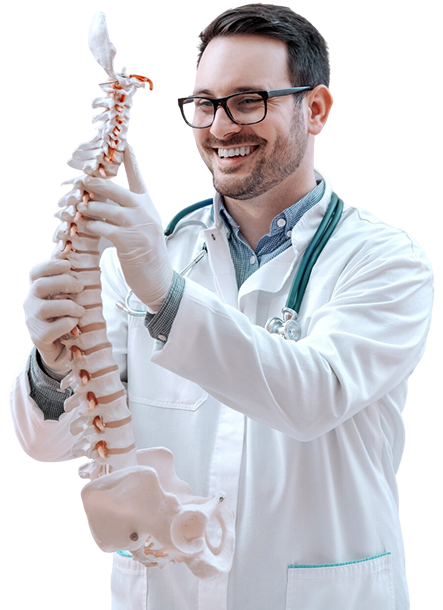
Chiropractic care in Mississauga may be considered for selected concerns involving the back, neck, joints, muscles and movement.
A chiropractic assessment may review posture habits, joint mobility, movement patterns, work demands and symptom behaviour. Depending on the findings and patient preference, care may include joint mobilization, spinal manipulation when appropriate, soft-tissue techniques, exercise guidance or ergonomic advice.
Chiropractic care should not be described as restoring full nervous-system balance or correcting every body function through the spine. Its role within holistic wellness is safer when focused on movement, comfort and function for selected musculoskeletal concerns.
At Innova, Dr. Lisa Ramsackal is listed as a Chiropractor, Registered Acupuncturist and Clinic Director.
The Role of Physiotherapy
Physiotherapy in Mississauga may be appropriate when the main goal involves rehabilitation, strength, mobility, balance, return to activity or physical confidence.
A physiotherapy plan may include:
- Movement assessment
- Progressive exercise
- Strengthening
- Mobility work
- Manual therapy where appropriate
- Balance or gait training
- Education and self-management
- Return-to-work or return-to-sport planning
Physiotherapy often plays a central role when a person needs an active recovery or movement plan. It should not promise to prevent every future injury, but it may help improve capacity and confidence.
At Innova, Asmita Sangave is listed as a Registered Physiotherapist and Pelvic Floor Physiotherapist.
The Role of Acupuncture
Acupuncture in Mississauga may be considered as complementary care for selected pain, tension, stress-related symptoms or wellness goals.
Acupuncture should be presented carefully. It should not be described as guaranteed energy regulation, inflammation removal, immune regulation or treatment for every internal concern.
A safe acupuncture approach includes:
- Health-history review
- Safety screening
- Informed consent
- Sterile needle use
- Realistic expectations
- Referral when medical or mental health care is needed
At Innova, Fiona Kou is listed as an acupuncturist, and Dr. Lisa Ramsackal is also listed as a Registered Acupuncturist.
For related reading, see Innova’s guide to the science behind mind-body wellness approaches.
The Role of Registered Massage Therapy
Registered Massage Therapy in Mississauga may help some people with muscle tension, soft-tissue discomfort and relaxation.
Massage therapy may be considered when someone experiences:
- Neck or shoulder tension
- Back tightness
- Stress-related physical discomfort
- General muscle soreness
- Difficulty relaxing physically
- Soft-tissue discomfort after activity
Massage should not be described as detoxifying the body, releasing emotional trauma from fascia or permanently correcting posture. Its role is better described as supporting comfort, relaxation and soft-tissue mobility for selected patients.
The Role of Osteopathy
Osteopathy in Mississauga may be considered for selected concerns involving stiffness, mobility and movement-related discomfort.
Manual osteopathy may include gentle hands-on techniques, soft-tissue work, joint mobilization and movement guidance. It should not promise to correct structural imbalances, treat internal disease or permanently realign the body.
At Innova, Amandeep Kaur and Amanpreet are listed as Registered Manual Osteopaths.
Osteopathy may fit into holistic wellness when the concern is appropriate for manual care and the plan is based on assessment, consent and realistic goals.
The Role of Nutrition Counselling
Nutrition counselling in Mississauga may support practical eating, hydration and daily routine goals.
Nutrition support may include:
- Meal planning
- Food variety
- Grocery guidance
- Label reading
- Hydration habits
- Eating around work or exercise
- Reducing overly restrictive food rules
- Habit coaching
Nutrition should not promise disease reversal, guaranteed weight loss, hormone balancing, detoxification or pain relief. It may support general wellbeing and daily routines, but complex medical nutrition needs may require a Registered Dietitian, physician or specialist.
At Innova, Kendal Heys is listed as a Registered Nutritional Health Specialist.
The Role of Psychotherapy and Naturopathy
Holistic wellness should include emotional wellbeing, but mental health care requires appropriate training and scope.
Psychotherapy and naturopathy services in Mississauga may be relevant when stress, anxiety, mood, coping, grief, burnout or broader lifestyle concerns need support.
Psychotherapy may be the better starting point when emotional stress is affecting work, relationships, sleep, safety or daily functioning. Naturopathy may support selected lifestyle and health goals within provider scope.
Massage, acupuncture, chiropractic care, osteopathy or nutrition counselling should not replace psychotherapy, physician care or crisis support when those are needed.
In Canada, call or text 9-8-8 for suicide crisis support. Call 911 if there is immediate danger.
Holistic Does Not Mean Anti-Medicine
One of the most important points is this: holistic wellness should work alongside conventional healthcare, not against it.
Medication, imaging, surgery, laboratory testing and specialist care can be necessary and life-changing. Holistic wellness may support routines, movement, stress management and comfort, but it should not discourage people from using evidence-based medical care.
A responsible wellness provider should refer when symptoms fall outside their scope.
Medical care should come first for:
- Chest pain or difficulty breathing
- Sudden weakness, facial drooping or trouble speaking
- Loss of bladder or bowel control
- Numbness around the groin or saddle area
- Severe pain after trauma
- Fever with severe back, neck or joint pain
- Sudden severe headache
- Fainting or loss of consciousness
- Unexplained weight loss with persistent symptoms
- Rapidly worsening neurological symptoms
Holistic care should make the path clearer, not delay urgent help.
How Holistic Wellness May Begin at Innova
A holistic wellness plan should begin with conversation and assessment.
A practitioner may ask:
- What is your main concern?
- How long has it been happening?
- What makes it better or worse?
- What does your workday look like?
- How are sleep, stress and activity?
- What care have you already tried?
- What are your goals?
- Are there medical conditions or medications to consider?
- Are there red flags requiring referral?
- Which type of care are you comfortable with?
From there, the clinic can help identify the most appropriate starting point.
Some people may need only one service. Others may benefit from coordinated care if more than one provider has a clear and separate role.
For more on this care model, see Innova’s guide to unlocking the power of integrated wellness.
A Safer Example of Whole-Person Care
Imagine a patient with recurring back discomfort after long desk days. They also feel stressed, sleep poorly and skip meals during busy work periods.
A holistic wellness plan might begin with one clear priority:
- Physiotherapy may lead if strength, mobility and activity tolerance are the main concerns.
- Chiropractic care may be considered for selected joint or movement-related findings.
- Massage therapy may support short-term muscle tension.
- Nutrition counselling may help with meal timing and hydration.
- Psychotherapy may be appropriate if stress is affecting daily functioning.
This does not mean every patient needs all of these services. The plan should be based on assessment, goals, comfort and progress.
Why Holistic Wellness Is Shaping the Future
Holistic wellness is gaining attention because people want care that feels connected, respectful and practical.
It may support the future of healthcare by encouraging:
- More patient involvement
- Earlier attention to symptoms
- Better lifestyle support
- Clearer coordination between providers
- More focus on prevention and self-management
- Recognition of the mind-body relationship
- Care that respects personal goals and preferences
The strongest version of holistic wellness is not exaggerated or anti-medical. It is careful, honest and centred on the person.
For related reading, see Innova’s article on what makes multidisciplinary wellness care effective.
Frequently Asked Questions
Holistic wellness care considers physical, emotional and lifestyle factors together. It may include movement, manual therapy, acupuncture, massage, nutrition, psychotherapy or lifestyle support depending on the person’s needs.
Not necessarily. Holistic wellness should not reject conventional medicine. It may complement medical care by supporting movement, comfort, routines and self-management when appropriate.
No. Holistic wellness should not promise to cure chronic disease, reverse autoimmune conditions or replace medical treatment. It may support general wellbeing and daily habits alongside appropriate care.
No. Many patients only need one service. Multiple services should only be recommended when each provider has a clear, separate and appropriate role.
It may support stress-related routines, body tension, movement and self-awareness. Significant anxiety, depression, trauma or burnout should be assessed by a qualified mental health professional.
Start with your main concern. Physiotherapy may suit movement or rehabilitation goals. Chiropractic may suit selected back or joint concerns. Massage may support muscle tension. Nutrition may help with food routines. Psychotherapy may be best for emotional stress. Call the clinic if unsure.
It can be safe when care is based on proper assessment, informed consent, realistic expectations and referral when needed. Safety depends on the provider, technique, symptoms, health history and whether red flags are present.
Explore Holistic Wellness in Mississauga
Holistic wellness is not about replacing medical care or promising perfect health. It is about seeing the person more fully, choosing the right support and building a care plan that fits real life.
Book an appointment at Innova Integrated Wellness Centre or call (905) 814-9355.
Innova Integrated Wellness Centre
49 Queen Street South, Unit 8
Streetsville, Mississauga, Ontario L5M 1K5