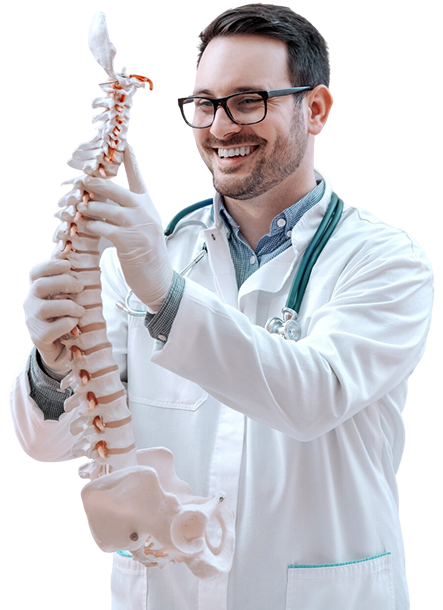

Booking your first osteopathy appointment can come with several questions. What will the practitioner ask? Will you receive treatment during the first visit? Do you need to change clothing? Will the techniques hurt, and how many appointments might you need?
A first osteopathy visit should begin with a detailed discussion and assessment rather than automatic hands-on treatment. The practitioner needs to understand your symptoms, medical history, medications, previous injuries, daily activities and goals before deciding whether manual osteopathic care may be appropriate.
Osteopathic manual treatment may be considered for selected musculoskeletal concerns involving stiffness, muscle tension, reduced mobility or discomfort during everyday movement. It cannot guarantee permanent pain relief, restore perfect alignment or identify one hidden “root cause” for every symptom.
For people considering osteopathy in Mississauga, understanding the appointment process can help you arrive prepared, ask informed questions and decide whether the proposed care fits your needs.
What happens at your first osteopathy visit?
Your first osteopathy appointment usually includes a discussion of your symptoms, medical history, medications, daily activities and treatment goals. The practitioner may assess posture, movement, joint mobility and soft-tissue sensitivity. Treatment may be offered when appropriate and with consent, but referral may be recommended when symptoms require medical or regulated rehabilitation care.
Before Your First Osteopathy Appointment
You normally do not need a medical referral to contact a manual osteopathy clinic, although your insurance provider may have separate reimbursement requirements.
Before the appointment, consider gathering:
- A current list of medications and supplements
- Details of previous injuries or operations
- Relevant medical diagnoses
- Recent imaging or reports, if available
- Information about previous treatment
- Your insurance-policy requirements
- A short description of the activities affected by your symptoms
You do not need to prepare a perfect medical history. The practitioner can guide the conversation, but accurate information helps with treatment planning and safety.
Tell the clinic before your appointment if you are pregnant, take blood-thinning medication, have osteoporosis, recently had surgery or are being investigated for a serious medical condition. These factors do not always prevent treatment, but they may affect technique selection or whether medical clearance is needed.
What Should You Wear?
Wear comfortable clothing that allows you to move without restriction. Athletic clothing, loose trousers, leggings and a comfortable shirt are often practical choices.
Depending on the area being assessed, the practitioner may ask whether you are comfortable adjusting or removing part of your clothing. This should be explained beforehand, and appropriate draping and privacy should be provided.
You may ask:
- Why does this area need to be observed or touched?
- Can the assessment be completed through clothing?
- Is another position available?
- Can I keep a particular item of clothing on?
- May I bring a support person?
Your comfort matters. You can decline, pause or modify any part of the assessment or treatment.
Step 1: Consultation and Health-History Review
The first part of the appointment usually involves a conversation about why you are seeking care.
The practitioner may ask:
- When did the concern begin?
- Was there an injury or gradual onset?
- Where do you feel symptoms?
- What makes them better or worse?
- Do symptoms affect sleep, work or exercise?
- Have you experienced numbness, tingling or weakness?
- Have you had similar episodes before?
- What medical conditions or medications are relevant?
- What treatment have you already tried?
- What would you like to do more comfortably?
This discussion should look beyond pain intensity. For example, your goal may be turning your neck while driving, sitting through work with fewer interruptions, returning to walking or feeling more comfortable during household tasks.
The practitioner should also screen for symptoms that may require medical assessment before manual care begins.
Step 2: Movement and Physical Assessment
The assessment should be connected to your symptoms rather than following the same routine for every patient.
Depending on the concern, the practitioner may observe:
- How you sit, stand or walk
- Comfortable range of motion
- Joint movement
- Muscle and soft-tissue sensitivity
- Movements that reproduce symptoms
- Differences between sides
- Functional activities such as bending or reaching
You may be asked to complete simple movements, but you should not be pushed through severe pain.
Posture may be observed, but visible asymmetry does not automatically mean that your body is damaged or “out of alignment.” Many people naturally stand or move asymmetrically without symptoms.
The purpose of the assessment is to understand how your concern affects movement and whether osteopathic manual treatment may be suitable. It should not be described as identifying one guaranteed root cause.
Step 3: Explanation of the Findings
After the assessment, the practitioner should explain what was observed in clear, non-frightening language.
A useful explanation may cover:
- Which movements appeared limited or uncomfortable
- Which tissues or joints may be sensitive
- Whether manual treatment may be reasonable
- What the proposed treatment aims to support
- Which activities may need temporary modification
- Whether another provider should be involved
Be cautious of explanations claiming that your entire body is misaligned, that organs are displaced or that repeated correction is necessary to prevent serious illness. Clinical explanations should help you understand your options rather than make you fearful or dependent on care.
You should have an opportunity to ask questions before deciding whether to proceed.
Step 4: Informed Consent Before Treatment
Consent should be an ongoing conversation, not merely a form signed at reception.
Before treatment, the practitioner should explain:
- What technique is being proposed
- Why it may be relevant
- Which body area will be treated
- What you may feel
- Possible temporary side effects
- Material risks
- Reasonable alternatives
- What may happen without treatment
- Your right to stop
You can agree to one technique while declining another. You may also ask the practitioner to use less pressure, change your position or stop treatment at any time.
If you are uncomfortable with a proposed technique, ask whether a gentler option or a different form of care may be appropriate.
Step 5: Your First Osteopathic Treatment
Treatment may occur during the first appointment when the assessment suggests it is appropriate and you provide consent. In other situations, the practitioner may recommend further medical evaluation or choose to delay treatment.
Manual osteopathic techniques may include:
Soft-tissue techniques
The practitioner may apply pressure or movement to muscles and surrounding tissues. The aim may be to support temporary comfort or make movement easier.
These techniques should not be described as permanently breaking down scar tissue, removing toxins or correcting every source of pain.
Joint mobilization
A joint may be moved gently within a comfortable range. Mobilization may be considered when stiffness or reduced movement appears relevant.
It cannot guarantee permanent correction or prevent all future problems.
Stretching and guided movement
The practitioner may guide an area through a controlled movement or suggest a simple activity for use between appointments.
Exercises should reflect your symptoms, ability and goals rather than follow a standard routine.
Myofascial or indirect techniques
Some practitioners use slower pressure or positioning techniques intended to reduce sensitivity or tension. Evidence differs across techniques, and treatment responses vary.
Cranial or visceral techniques
Some manual osteopathy practitioners offer cranial or visceral approaches. Evidence for broad claims involving digestion, organ function, hormonal balance or nervous-system regulation is limited.
These techniques should not replace medical diagnosis or treatment for headaches, digestive conditions, neurological symptoms or internal-organ concerns.
Should Manual Treatment Hurt?
Manual osteopathic treatment should not require severe or intolerable pain.
You may feel:
- Pressure
- Stretching
- Mild tenderness
- Gentle joint movement
- Temporary sensitivity
- Warmth or relaxation
Tell the practitioner immediately if you experience sharp pain, burning, numbness, dizziness, nausea or another unexpected symptom.
Some people experience temporary soreness, fatigue or headache following hands-on treatment. Public-health guidance on complementary therapies and osteopathy also advises additional caution for people taking blood thinners or living with seriously weakened bones, damaged joints or certain nerve conditions.
Post-treatment soreness is not proof that the body is “releasing toxins,” correcting itself or healing more effectively.
What Happens After the First Treatment?
After treatment, the practitioner should review how you feel and explain any appropriate aftercare.
Recommendations may include:
- Resuming normal activity within tolerable limits
- Temporarily modifying an aggravating task
- Practising a simple movement or exercise
- Taking regular movement breaks
- Monitoring symptoms
- Seeking medical assessment if warning signs appear
- Scheduling a review when clinically appropriate
Drinking water is reasonable for normal hydration, but there is no need to claim that extra water flushes toxins released during treatment.
You should contact the clinic if you experience substantial or persistent worsening, new weakness, increasing numbness or another unexpected reaction.
How Many Osteopathy Appointments Will You Need?
There is no standard number of sessions that applies to everyone.
The proposed frequency may depend on:
- The type of concern
- How long symptoms have been present
- Your medical history
- Your treatment goals
- Your response to the first appointment
- Whether other care is needed
The practitioner should explain why follow-up is being recommended and when progress will be reviewed.
Be cautious of committing to a lengthy prepaid plan before the practitioner knows how you respond. Osteopathy cannot guarantee that a fixed number of sessions will create lasting relief or prevent symptoms from returning.
Progress may be measured through practical changes such as improved movement, increased activity tolerance, fewer interruptions to work or greater confidence completing daily tasks.
How Osteopathy Fits Into Broader Care
Manual osteopathy may provide hands-on symptom support, but some concerns require a broader plan.
The NICE guideline for low-back pain and sciatica recommends considering manual therapy only as part of a treatment package that includes exercise. The World Health Organization’s chronic low-back-pain guidance also supports person-centred, coordinated care rather than reliance on a single passive treatment.
Depending on your needs:
- Physiotherapy in Mississauga may be more appropriate for progressive strengthening, balance, rehabilitation or return-to-activity planning.
- Chiropractic care in Mississauga may assess selected spinal, joint and musculoskeletal concerns.
- Medical care may be needed for diagnosis, medication, imaging or specialist referral.
Using several services is not automatically better. Each provider should have a clear and distinct role.
Readers comparing manual-care options may also review Innova’s guide to osteopathy versus chiropractic care.
When Medical Care Should Come First
Manual osteopathy is not appropriate as the first response to every symptom.
Seek urgent medical attention for:
- New loss of bladder or bowel control
- Numbness around the groin
- Rapidly worsening weakness
- Severe pain after significant trauma
- Chest pain or breathing difficulty
- Fever with severe spinal or joint pain
- A hot, red or severely swollen joint
- Sudden facial weakness
- Difficulty speaking or seeing
- A sudden severe headache
- Fainting or loss of consciousness
Persistent unexplained pain, unexplained weight loss or symptoms that steadily worsen should also be discussed with a physician or nurse practitioner.
A responsible manual osteopathy practitioner should recognize when treatment falls outside their role and recommend referral.
Your First Osteopathy Visit at Innova
At Innova Integrated Wellness Centre, an osteopathy appointment begins with a review of your symptoms, medical history, daily activities and treatment goals.
The clinic’s manual osteopathy team includes Amanpreet and Amandeep Kaur. Their Innova profiles describe patient-centred manual osteopathy approaches for musculoskeletal discomfort, stiffness and mobility concerns.
Your appointment may be scheduled with either practitioner depending on availability, your concern and practitioner fit.
The proposed assessment and treatment should be adapted to your symptoms and comfort. No technique should proceed without explanation and consent, and another service or medical assessment may be recommended when it is a better match.
For more information about movement-related care, read Innova’s guide to osteopathy for movement concerns in Mississauga.
Frequently Asked Questions
Wear comfortable clothing that allows you to move. Athletic clothing, loose trousers or leggings and a comfortable shirt are usually practical. The practitioner should explain if access to an area is needed and provide appropriate privacy and draping. You may ask for the assessment to be modified.
Treatment may be offered after the consultation and assessment when it appears suitable and you provide informed consent. Treatment may be postponed if the practitioner needs more information, believes another provider is more appropriate or identifies symptoms requiring medical assessment.
Manual osteopathy practitioners do not normally provide medical imaging. Existing imaging may be reviewed when relevant, but imaging is not automatically needed for uncomplicated musculoskeletal symptoms. A physician or another authorized provider may arrange imaging when clinical findings indicate that it could change management.
Treatment should not involve severe pain. You may feel pressure, stretching, mild tenderness or temporary soreness. Tell the practitioner immediately if you experience sharp pain, burning, numbness, dizziness or significant discomfort so the technique can be stopped or modified.
There is no reliable timeline. Some people report temporary changes after one appointment, while others require reassessment or notice little benefit. Progress depends on the condition, health history, activity demands and treatment plan. No practitioner should guarantee relief within a fixed number of visits.
Some extended health plans cover appointments provided by eligible manual osteopathy practitioners, while others do not. Coverage, annual limits and association requirements vary. Confirm your plan’s rules and the practitioner’s eligibility directly with your insurer before treatment.
A physician’s referral is generally not required to book an osteopathy appointment. However, your insurance policy may require specific documentation for reimbursement, and certain symptoms should receive medical assessment before manual treatment begins.
Book Your First Osteopathy Visit in Mississauga
Your first osteopathy visit should help you understand the assessment findings, available treatment options and whether manual care is appropriate for your goals. You should never feel pressured to begin a technique or commit to a long treatment plan before your questions are answered.
Book an osteopathy appointment at Innova Integrated Wellness Centre or call (905) 814-9355.
Innova Integrated Wellness Centre
49 Queen Street South, Unit 8
Streetsville, Mississauga, Ontario L5M 1K5