Foot problems can affect walking, standing, exercise, work and everyday comfort. Some begin as minor skin or nail concerns, while others involve joints, soft tissues, pressure patterns, footwear or health conditions such as diabetes.
Because several foot conditions can produce similar symptoms, treatment should begin with an assessment rather than self-diagnosis. Heel pain is not always plantar fasciitis, a thickened nail is not always fungal, and every bunion or flat foot does not require an orthotic.
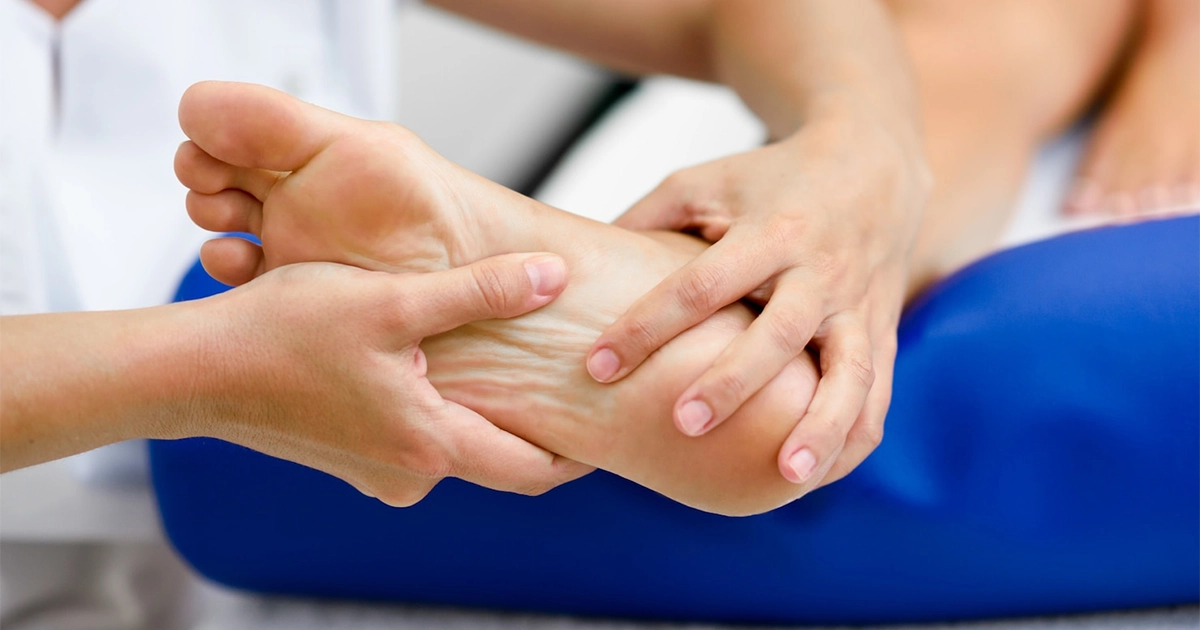
A chiropodist is a regulated foot-health professional who can assess and manage many conditions affecting the feet. For people seeking chiropody in Mississauga, care may include skin and nail treatment, diabetic foot screening, biomechanical assessment, footwear advice, pressure management, custom orthotics when clinically indicated and referral when another provider is needed.
What foot problems can a chiropodist treat?
A chiropodist can assess and manage heel pain, plantar-fascia concerns, ingrown toenails, corns, calluses, cracked skin, fungal nail concerns, bunions, toe deformities, plantar warts, diabetic foot risks and selected gait or orthotic needs. Treatment depends on the diagnosis, health history, footwear, symptoms and assessment findings.
What Does a Chiropodist Do?
In Ontario, chiropodists are regulated healthcare professionals who assess, diagnose and treat a broad range of medical conditions affecting the feet. The College of Chiropodists of Ontario sets professional and safety standards for registered practitioners.
A chiropody appointment may include assessment of:
- Skin and nails
- Foot and ankle pain
- Joint movement
- Sensation
- Circulation indicators
- Pressure areas
- Foot structure
- Footwear
- Standing and walking patterns
- Relevant medical conditions
Not every concern requires the same treatment. A patient with a painful corn needs a different approach from someone with diabetic sensation loss, an ingrown toenail or activity-related heel pain.
Common Foot Conditions at a Glance
| Foot concern | Common signs | How chiropody may help |
|---|---|---|
| Heel or plantar-fascia pain | Pain under or around the heel, often after rest or prolonged activity | Assessment, footwear advice, load guidance, exercises, pressure management or orthotic consideration |
| Corns and calluses | Thickened, painful skin in areas of repeated pressure | Professional reduction, padding, footwear review and pressure offloading |
| Ingrown toenails | Pain, redness or swelling beside a nail edge | Nail care, pressure relief, education or a minor procedure when appropriate |
| Thick or discoloured nails | Nail thickening, crumbling, colour or shape changes | Assessment, nail reduction, testing or treatment recommendations |
| Bunions and toe deformities | Prominent joint, toe crowding, shoe pressure or corns | Footwear advice, padding, pressure management, orthotics or referral |
| Plantar warts | Rough growth, interrupted skin lines or pain under pressure | Diagnosis and treatment based on location, size and health history |
| Diabetic foot concerns | Numbness, pressure areas, wounds, skin or nail changes | Risk assessment, professional foot care, education and referral when required |
| Gait or orthotic concerns | Recurring pressure, footwear wear or pain during activity | Biomechanical assessment and orthotic consideration when clinically justified |
1. Heel Pain and Plantar-Fascia Concerns
Heel pain is one of the most common reasons people seek professional foot care. It may occur beneath the heel, around the back of the heel or along the arch.
Plantar fasciitis is one possible cause. It often produces pain around the heel or arch that feels worse during the first steps after rest. However, heel pain can also involve the heel pad, joints, nerves, tendons or an injury.
A chiropodist may examine:
- The exact location of pain
- Foot and ankle movement
- Recent changes in activity
- Work or exercise demands
- Footwear
- Tender areas
- Walking mechanics
- Previous treatment
Depending on the findings, recommendations may include activity modification, footwear changes, stretching or strengthening guidance, pressure management, night splints or orthotic support. The NHS plantar-fasciitis guidance also identifies appropriate footwear, exercises, insoles and specialist assessment as possible parts of care.
Learn more in Innova’s guide to chiropody for foot-pain management in Mississauga.
2. Corns and Calluses
Corns and calluses develop where the skin experiences repeated friction or pressure. Calluses commonly form beneath the heel or forefoot, while corns may develop over or between toes.
They may be influenced by:
- Tight or narrow shoes
- Toe deformities
- Areas of concentrated pressure
- Repeated work or activity demands
- Prominent joints
- Changes in walking
A chiropodist may carefully reduce thickened skin and identify why pressure keeps returning. Longer-term recommendations may include padding, wider footwear, pressure redistribution or orthotics when assessment supports their use.
Do not cut corns or calluses with blades at home. Medicated corn products may also damage surrounding skin. These approaches are particularly risky for people with diabetes, reduced sensation or circulation concerns.
3. Ingrown Toenails
An ingrown toenail develops when the nail edge presses into or breaks the surrounding skin. The big toe is commonly affected.
Symptoms may include:
- Tenderness beside the nail
- Redness
- Swelling
- Pain in closed footwear
- Drainage when infection develops
Nail shape, tight footwear, trauma and trimming technique may contribute.
Treatment may involve conservative nail care, removal of an irritating nail edge, pressure relief and education. For repeatedly ingrown nails, a minor procedure may be considered after assessment and informed consent.
Seek prompt care when redness is spreading, pain is rapidly increasing, pus is present or fever develops. Patients with diabetes or impaired healing should not attempt home nail surgery.
4. Thick, Damaged or Fungal-Looking Nails
Toenails may become thick, brittle, discoloured or difficult to trim because of fungal infection, repeated trauma, psoriasis, aging or another nail disorder.
Appearance alone does not always confirm fungus. The American Academy of Dermatology notes that accurate diagnosis matters because several nail conditions can resemble fungal infection.
A chiropodist may assess the nail, reduce excessive thickness and discuss whether testing, topical treatment, prescribed medication or referral is appropriate.
Professional nail reduction may improve comfort and make shoes easier to wear, but it does not automatically eliminate an underlying infection. Patients should also disclose medications and health conditions before using antifungal treatment.
5. Bunions, Hammertoes and Other Toe Deformities
A bunion involves a change around the joint at the base of the big toe. Hammertoes involve bending through one or more smaller toe joints. These structural changes may create shoe pressure, corns, calluses or discomfort during walking.
Conservative chiropody care may include:
- Wider or deeper footwear
- Padding
- Pressure management
- Toe protection
- Activity guidance
- Orthotic consideration
- Referral when symptoms are severe
Chiropody cannot guarantee that a bunion or hammertoe will be structurally reversed. Conservative care mainly aims to improve comfort, accommodate the foot and reduce irritation. Surgery may be considered through an appropriate specialist when pain and functional limitations remain significant.
6. Plantar Warts
Plantar warts are viral skin growths that may develop on weight-bearing areas. They can resemble corns or calluses, but careful assessment may reveal differences in skin pattern and appearance.
Some warts cause little discomfort, while others become painful under pressure or spread to nearby skin.
Treatment depends on the wart’s size, location, duration, previous treatment and the patient’s health. Options may include topical treatment, controlled destruction of affected tissue or another technique within the practitioner’s scope.
Patients with diabetes, reduced circulation or impaired immunity should avoid aggressive home wart treatments without professional guidance.
7. Cracked Heels and Dry Skin
Dry skin around the heel can become thick, split and painful. Deep cracks may bleed or create an entry point for infection.
Contributing factors may include:
- Open-backed footwear
- Repeated pressure
- Dry environments
- Skin conditions
- Difficulty reaching the feet
- Inappropriate home treatment
A chiropodist may safely reduce excessive hard skin, recommend moisturization and assess whether infection or another skin condition is present.
Patients with diabetes should seek advice for cracks, bleeding or skin changes rather than relying only on cosmetic foot creams.
8. Diabetic Foot Concerns
Diabetes can affect sensation, circulation, skin health and healing. Reduced sensation may make it harder to notice a blister, pressure injury, cut or burn.
A diabetic foot assessment may include:
- Skin and nail inspection
- Sensation testing
- Circulation indicators
- Pressure areas
- Foot deformity
- Footwear
- Previous wounds
- Self-care ability
The Diabetes Canada foot-care checklist recommends checking the feet daily for cuts, cracks, blisters, sores, infection and unusual marks.
Seek prompt care for:
- An open wound
- Drainage or odour
- Increasing redness or swelling
- Sudden colour changes
- New pain or numbness
- A hot or swollen joint
- A wound that is not healing
Professional foot care may identify risks and support safer nail or skin management, but it cannot guarantee prevention of every ulcer or complication.
9. Achilles and Activity-Related Foot Pain
Pain around the Achilles tendon, forefoot, arch or ankle may develop after a sudden increase in running, walking, sport or work demands.
A chiropodist may review:
- Training changes
- Footwear
- Work demands
- Pain location
- Joint movement
- Foot structure
- Walking or running mechanics
Treatment may include temporary load modification, footwear guidance, heel support, exercises, orthotics or shockwave therapy for selected persistent conditions.
Pain after a sudden injury, a snapping sensation, substantial swelling or inability to push off the foot requires prompt assessment.
10. Custom Orthotics and Biomechanical Concerns
Custom foot orthotics are prescribed devices designed around an assessed clinical need. They may be used to redistribute pressure, accommodate a deformity or support foot mechanics.
Orthotics are not required for every patient with foot pain, flat feet or unusual shoe wear.
A proper assessment should consider:
- Medical history
- Symptoms
- Foot and ankle movement
- Standing and walking
- Footwear
- Work and activity demands
- Other treatment options
The College of Chiropodists of Ontario’s custom-foot-orthotics standard requires individualized assessment, prescribing and follow-up.
At Innova, patients can receive assessment for custom orthotics in Mississauga when clinically appropriate. Orthotics should have a defined purpose and should not be presented as a guaranteed correction for posture, alignment or whole-body pain.
When Should You See a Chiropodist?
Consider an assessment when you experience:
- Persistent or recurring foot pain
- Heel pain affecting activity
- A painful corn or callus
- A recurring ingrown toenail
- Thick or difficult-to-trim nails
- New numbness or tingling
- Footwear that repeatedly causes pressure
- A change in walking
- A diabetic foot concern
- A wound that is slow to heal
- A need for professional orthotic assessment
For further guidance, read five warning signs you should see a chiropodist in Mississauga.
When Foot Symptoms Need Urgent Care
Seek prompt medical or chiropody assessment for:
- An open wound or ulcer
- Spreading redness, warmth or pus
- Sudden severe swelling
- A hot, painful joint
- Sudden colour change
- New weakness or significant numbness
- Severe pain following trauma
- Inability to bear weight
- A visibly deformed foot or ankle
- Fever with a suspected infection
Patients with diabetes, reduced sensation or circulation concerns should seek help early rather than waiting for severe pain.
Chiropody at Innova Integrated Wellness Centre
At Innova, chiropody care begins with an individualized assessment of symptoms, health history, skin, nails, sensation, foot structure, pressure, footwear and walking pattern.
Care is provided by Neal Andrews, Chiropodist, who is registered with the College of Chiropodists of Ontario. His professional profile describes experience in general chiropody, musculoskeletal foot and ankle care, sports medicine, pediatric foot care, diabetic foot care and selected soft-tissue procedures.
Depending on the assessment, care may include:
- Skin and nail treatment
- Corn or callus management
- Ingrown-nail care
- Diabetic foot assessment
- Footwear guidance
- Pressure offloading
- Custom orthotic assessment
- Shockwave therapy for selected conditions
- Referral when another provider is needed
Frequently Asked Questions
A chiropodist can assess and manage many foot conditions, including heel pain, corns, calluses, ingrown toenails, cracked heels, plantar warts, nail concerns, bunions, toe deformities, diabetic foot risks and selected biomechanical or orthotic needs. Treatment depends on assessment findings.
Both are regulated foot-health professionals through the College of Chiropodists of Ontario. However, their titles, registration pathways and authorized scopes may differ. Patients should confirm the practitioner’s protected title, registration status and available treatments through the College’s public register.
Yes. A chiropodist may assess the painful area, footwear, activity history, foot movement and walking mechanics. Care may include footwear guidance, exercises, pressure management, orthotics or another treatment. Heel pain should still be assessed because plantar fasciitis is not the only possible cause.
No. Orthotics are only appropriate when an individualized assessment identifies a specific clinical need. Many foot concerns can be managed through footwear changes, skin or nail care, pressure reduction, exercise or activity guidance without custom devices.
Diabetes can affect sensation, circulation and healing, making wounds or pressure areas harder to notice. Chiropody may support risk assessment, professional skin and nail care and prevention guidance. New wounds, swelling, infection or colour changes require prompt attention.
A physician’s referral is generally not required to book chiropody in Ontario. However, insurance plans may have separate requirements for reimbursement, particularly for custom orthotics. Confirm the documentation needed before ordering a device.
Some extended health plans cover chiropody and custom orthotics. Innova does not currently provide direct billing for chiropody, but detailed receipts are available. Coverage limits and prescription requirements vary, so patients should check directly with their insurer.
Book a Chiropody Assessment in Mississauga
Foot pain, nail changes, pressure areas and diabetic foot concerns should not be ignored when they persist or affect everyday activity. A chiropody assessment can help identify the condition and determine which treatment or referral may be appropriate.
Book a chiropody appointment at Innova Integrated Wellness Centre or call (905) 814-9355.
Innova Integrated Wellness Centre
49 Queen Street South, Unit 8
Streetsville, Mississauga, Ontario L5M 1K5