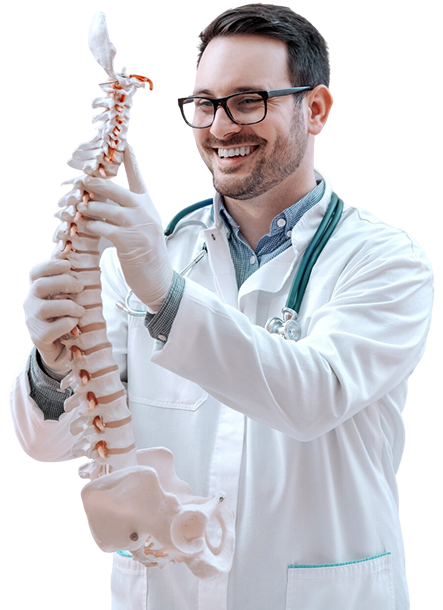

How Does Biomechanics Relate to Pain?
Biomechanics describes how joints, muscles, nerves, posture and movement patterns work together during daily activity. When one area becomes stiff, overloaded or poorly coordinated, nearby tissues may take on extra strain. Chiropractic care may assess these patterns and use joint care, exercise and practical movement advice to support comfort, mobility and function.
Back and neck pain do not always come from one damaged structure or a single spinal “misalignment.” Symptoms may be influenced by several interacting factors, including joint movement, muscle strength and endurance, previous injuries, activity levels, repeated work positions, sleep, stress and how the nervous system processes pain.
Biomechanics helps explain part of this picture. It examines how forces move through the body when you sit, walk, lift, bend, exercise or complete everyday tasks. When one area becomes painful, stiff or less coordinated, nearby joints and muscles may change how they work to compensate.
For people considering chiropractic care in Mississauga, a biomechanics-based assessment may help identify movement restrictions, loading patterns and daily activities that could be contributing to discomfort. Treatment recommendations depend on the assessment and may include education, joint mobilization or manipulation, soft-tissue techniques, exercise and ergonomic advice.
What Does Biomechanics Mean in Chiropractic Care?
Biomechanics is the study of movement and the forces acting on the body. Every time you walk, lift, reach, turn or sit, multiple joints and muscle groups work together to manage your body weight and the load created by the activity.
When a joint is painful or moving less comfortably, another area may take on more work. For example, limited hip movement may change how someone bends or lifts, while reduced upper-back mobility may influence how the neck and shoulders move. These relationships can be clinically relevant, but posture or alignment alone does not explain every pain experience.
A chiropractic assessment may examine:
- Joint range of motion
- Muscle strength and endurance
- Movement during bending, walking or lifting
- Activities that reproduce symptoms
- Workstation and daily loading habits
- Previous injuries and health history
- Neurological signs when clinically appropriate
The findings help determine whether chiropractic care may be suitable, what techniques should be considered and whether referral or medical investigation is needed.
The World Health Organization’s guidance for chronic primary low-back pain supports person-centred care that may combine education, exercise and selected physical interventions rather than depending on a single treatment. The American College of Physicians also includes spinal manipulation among several non-drug options that may be considered for certain forms of low-back pain.
Signs and Symptoms: What Your Body Is Telling You
Pain is the loudest signal, but rarely the first. Most MSK conditions produce a recognisable cluster of physical and behavioural signs well before they become severe. Recognising the full picture early is what makes early intervention possible, and early intervention consistently produces the best outcomes.
Physical Signs
Persistent or recurring pain in the back, neck, shoulders, hips, or knees is the most obvious indicator, but morning stiffness lasting more than 15 minutes and limited range of motion, difficulty turning the head or bending forward, are equally significant. Shooting or radiating pain into the arms or legs indicates nerve involvement and warrants prompt clinical assessment. Muscle spasms or tightness that returns despite stretching, tingling or numbness in the hands or feet, headaches originating at the base of the skull, and visibly uneven posture, one shoulder higher, head jutting forward, are all common presentations that chiropractic care directly addresses.
Emotional and Behavioural Signs
Chronic pain does not stay in the body. Irritability, low mood, and anxiety tied to constant discomfort are common secondary effects that often go unaddressed. Avoiding exercise, sports, or social activities previously enjoyed, over-relying on pain medication to manage daily tasks, and disrupted sleep, waking frequently or shifting positions to escape pain, are all behavioural signals that the pain has become a pervasive rather than isolated problem. These patterns tend to worsen over time without structural intervention.
Why MSK Pain Develops: Causes and Risk Factors
Most musculoskeletal pain is not the result of a single dramatic event. It develops from overlapping contributors that accumulate over time, often invisibly, until they reach a threshold that produces symptoms.
- Joint Restriction and Altered Movement: A joint may occasionally move through a smaller or less comfortable range because of pain, muscle guarding, injury, prolonged positioning or changes in activity. This does not necessarily mean that a bone has moved out of place. Assessment focuses on how the area moves, what reproduces the symptoms and whether surrounding joints and muscles are compensating.
- Sedentary Work and Screen Posture: A significant proportion of patients seen at Mississauga chiropractic clinics work desk jobs or spend extended periods at screens. A forward head posture places up to five times more load on the cervical spine than neutral positioning, according to research published in Surgical Technology International. Remote work has amplified these patterns considerably, contributing to a measurable increase in chronic neck pain and compressed lumbar discs among working-age adults in the GTA.
- Previous Injury and Improper Healing: An old sports injury or accident can alter movement mechanics long after visible healing has occurred. Scar tissue and compensatory movement patterns create dysfunction for years, which is why pain people experience in 2026 often traces directly back to an injury sustained a decade earlier. Addressing these historical patterns is a central part of thorough chiropractic assessment.
- Age, Repetitive Strain, and Chronic Stress: Intervertebral discs naturally lose hydration with age, and repetitive occupational tasks cause microtrauma in overloaded joints over time. Chronic stress compounds this by sustaining muscle tension, particularly in the neck, shoulders, and upper back, and sensitising pain pathways, making the nervous system progressively more reactive to discomfort. These factors interact in ways that make it impossible to address MSK pain by treating any single contributor in isolation.
How Chronic Pain Affects Daily Life in Mississauga
Musculoskeletal pain does not stay in the body. It spreads into every corner of daily life, often in ways that are invisible until a clinical conversation makes the connections explicit.
At Work
Chronic fatigue from disrupted sleep, reduced concentration from constant pain management, and the cognitive load of simply getting through a day while hurting all erode productivity and professional performance. Many professionals in Mississauga quietly manage discomfort across full working days until burnout or acute injury forces them to stop, at which point the recovery time is considerably longer than it would have been with earlier intervention.
At Home and in Relationships
Parents find it harder to play with their children or keep up with household demands. Sleep deteriorates, which affects mood, patience, and energy. Partners pull back from shared activities. Hobbies and social commitments get dropped one by one as the body reserves its dwindling resources for the demands of the work day. This gradual contraction of life feeds low mood and a diminished sense of self, none of which is inevitable with the right treatment.
In Physical Activity
When the body is structurally compromised or in pain, exercise performance suffers and recovery slows. Many people who work consistently at the gym see minimal results, or sustain secondary injuries, because an unaddressed biomechanical problem is creating inefficiency or additional strain. Correcting that structural foundation is often the intervention that allows training to finally produce results.
How Chiropractic Care May Support Movement and Function
When people search for a chiropractor in Mississauga, they often expect a quick spinal adjustment and little else. Evidence-informed chiropractic care is considerably more comprehensive than that, it is an individualised system that addresses why your body hurts, not just where.
Chiropractic treatment should begin with an assessment rather than an automatic adjustment. The chiropractor reviews the patient’s symptoms, health history, movement, joint function and relevant risk factors before recommending care.
Depending on the findings, a care plan may include:
Joint Mobilization or Manipulation
Controlled manual techniques may be used to support movement in a joint that feels stiff or restricted. Spinal manipulation is not necessary or appropriate for every patient, and gentler alternatives may be used depending on health history, comfort and clinical findings.
Readers concerned about treatment risks can review Innova’s guide to chiropractic adjustment safety.
Soft-Tissue Techniques
Soft-tissue treatment may be used to reduce muscle tension, support movement tolerance and make exercise more comfortable. Avoid stating that these techniques “break down scar tissue” or permanently remove adhesions.
Exercise and Movement Retraining
Exercises may be recommended to improve strength, mobility, coordination or confidence with everyday activity. The programme should reflect the patient’s symptoms, ability and goals rather than use the same routine for everyone.
Posture and Activity Guidance
A chiropractor may help identify work, exercise or daily habits that repeatedly aggravate symptoms. Recommendations can include workstation adjustments, movement breaks, activity modification and a gradual return to normal activity.
Ongoing Reassessment
Progress should be reviewed regularly. Treatment frequency and technique may be modified based on changes in symptoms, function and agreed goals.
The College of Chiropractors of Ontario requires chiropractors to provide adequate information and obtain informed consent for examination, care and the proposed plan of care.
When Pain Continues to Return
Biomechanics may be one part of recurring pain, but symptoms can also be influenced by workload, sleep, stress, previous injury, physical capacity and nervous-system sensitivity. When discomfort repeatedly settles and returns, a broader assessment may help identify which factors are most relevant.
Learn more in our guide to why pain keeps returning and how chiropractic care may address contributing factors.
When to Seek Professional Help
Early intervention consistently produces better outcomes and shorter recovery times. Do not delay booking a chiropractic assessment if any of the following apply.
Pain lasting more than two weeks despite rest and self-care, radiating pain into an arm or leg, particularly with numbness or weakness, and worsening symptoms despite conservative home management all warrant professional assessment without further delay. Severe pain following a fall, accident, or spinal trauma requires prompt evaluation. Frequent headaches originating at the base of the skull and pain that consistently disrupts sleep are both conditions where chiropractic care has a strong evidence base and where waiting only allows the underlying dysfunction to deepen.
Loss of bladder or bowel control in the context of back pain or spinal symptoms should prompt emergency care immediately, this is a red flag that requires same-day medical attention.
Chiropractic Care at Innova Integrated Wellness Centre
At Innova Integrated Wellness Centre, chiropractic care begins with an assessment of the patient’s symptoms, health history, joint movement, daily activities and treatment goals.
Care is provided by Dr. Lisa Ramsackal, a chiropractor registered with the College of Chiropractors of Ontario. Treatment recommendations are adapted to the patient’s assessment findings, comfort and preferences.
When appropriate, chiropractic care may also be coordinated with physiotherapy, registered massage therapy, acupuncture or another Innova service. Coordination should be based on the patient’s needs and should not imply that combining services automatically produces better results.
Understanding Your Movement Is the First Step
Pain is rarely explained by one posture, one joint or one movement pattern. A careful assessment can help determine whether joint mobility, muscle capacity, repeated loading, previous injury or another factor may be contributing to your symptoms.
Chiropractic care may be one part of a broader plan to support movement, function and day-to-day comfort. Results and treatment timelines vary, and recommendations should always depend on individual assessment findings.
Explore Chiropractic Care in Mississauga
Experiencing recurring back pain, neck stiffness or difficulty moving comfortably? A chiropractic assessment can help determine whether joint movement, physical workload or another musculoskeletal factor may be contributing to your symptoms.
Book a chiropractic assessment at Innova Integrated Wellness Centre or call (905) 814-9355.
Location: 49 Queen Street South, Unit 8, Streetsville, Mississauga, Ontario L5M 1K5
Questions About Chiropractic Care in Mississauga
Biomechanics is the study of how the body moves and manages force. It considers how joints, muscles and other tissues work together during activities such as sitting, walking, lifting and exercising. A biomechanics assessment may help identify movements or loads that reproduce symptoms, but it does not assume that every pain problem comes from posture or alignment.
Posture may contribute to discomfort for some people, particularly when one position is maintained for long periods. However, there is no single perfect posture, and posture alone does not explain every case of pain. Movement variety, workload, sleep, stress, strength, health history and previous injuries may also influence symptoms.
Not necessarily. Pain can occur without a bone being out of place. It may be associated with joint sensitivity, muscle tension, reduced movement, injury, inflammation, nerve irritation or changes in how the nervous system processes signals. A chiropractor should assess the symptoms rather than assume that a spinal misalignment is the cause.
The chiropractor may ask about your symptoms, medical history, work, exercise and daily activities. The physical assessment may include posture, joint motion, strength, movement tasks and neurological screening when appropriate. The findings are then explained before treatment options are discussed.
No. An adjustment is only one possible technique. Depending on the assessment and patient preference, care may include joint mobilization, soft-tissue treatment, exercise, ergonomic recommendations or referral to another healthcare provider. Patients should be informed about the proposed treatment and give consent before care begins.