Stress is a normal response to demanding or uncertain situations, but persistent stress can affect sleep, concentration, muscle tension, digestion, mood and everyday functioning. Anxiety may involve ongoing worry, restlessness, physical tension, rapid breathing, difficulty relaxing or a sense of being constantly on alert.
People manage these experiences in different ways. Some benefit from psychotherapy, medication, physical activity, sleep support, breathing practices or changes to work and daily routines. Others also explore acupuncture as a complementary form of care.
Acupuncture may help some people feel calmer, experience less tension or manage certain anxiety-related symptoms. However, it should not be described as a cure for anxiety disorders, a guaranteed way to reduce stress hormones or a replacement for qualified mental health treatment.
At Innova Integrated Wellness Centre, acupuncture in Mississauga is provided following an individual health assessment by a Registered Acupuncturist.
Can acupuncture help with anxiety and stress?
Acupuncture may help some people manage stress-related tension, difficulty relaxing and certain anxiety symptoms. Research is promising but remains limited by differences in study quality and treatment methods. Acupuncture should be considered complementary care and should not replace psychotherapy, prescribed medication, medical assessment or urgent mental health support.
Understanding Stress and Anxiety
Stress and anxiety are related, but they are not exactly the same.
Stress commonly develops in response to an identifiable pressure, such as work deadlines, financial concerns, caregiving demands, illness or relationship difficulties. Symptoms may improve when the situation changes or the person has time to recover.
Anxiety may continue even when no immediate threat is present. It can involve excessive worry, physical tension, avoidance, sleep disruption and difficulty concentrating. Anxiety disorders are medical and mental health conditions that require appropriate assessment rather than self-diagnosis through an online article.
Stress- and anxiety-related symptoms may include:
- Persistent worry
- Restlessness
- Muscle tension
- Headaches
- Difficulty sleeping
- Rapid heartbeat
- Sweating
- Shallow or rapid breathing
- Digestive discomfort
- Irritability
- Difficulty concentrating
- Feeling overwhelmed
- Avoiding certain places or activities
Some of these symptoms can also occur with medical conditions, medication effects or substance use. New, severe or unexplained symptoms should be discussed with an appropriate healthcare provider.
What Is Acupuncture?
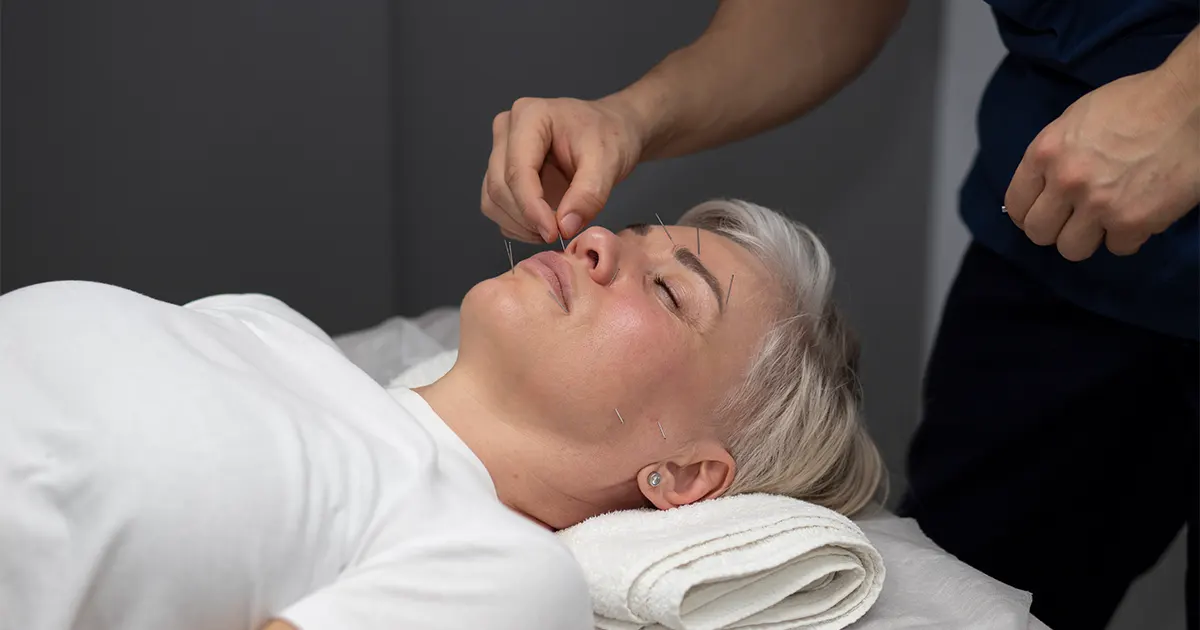
Acupuncture involves inserting fine, sterile, single-use needles into selected points on the body. Point selection depends on the practitioner’s assessment, the patient’s symptoms, health history and treatment goals.
Traditional Chinese Medicine uses concepts such as Qi, meridians and patterns of disharmony to guide treatment. These ideas belong to a traditional clinical framework and should not be presented as scientifically confirmed anatomical facts.
Modern research has explored whether acupuncture may influence sensory nerves, pain processing, autonomic activity and other physiological responses. These mechanisms are still being investigated, and no single explanation has been established for anxiety or stress-related symptoms.
It is therefore safer to say that acupuncture may support relaxation or symptom management for some people rather than claiming that it definitively “resets the nervous system,” lowers cortisol or corrects the root cause of anxiety.
What Does the Research Say?
Research into acupuncture for anxiety has produced encouraging findings, but the evidence is not strong enough to support guaranteed outcomes.
A systematic review of randomized trials involving people with anxiety disorders found that acupuncture was associated with improvements in anxiety symptoms compared with several control conditions. However, the authors also emphasized the need for larger, higher-quality trials before firm conclusions can be made.
The U.S. National Center for Complementary and Integrative Health reports that some evidence suggests acupuncture may help preoperative anxiety, but study sizes have been small and research remains limited.
These findings suggest that acupuncture may be considered as an additional option for some people, particularly when used alongside established care. They do not show that acupuncture is superior to psychotherapy or medication, nor that it can treat every anxiety disorder.
How Acupuncture May Support Stress-Related Symptoms
1. Providing a structured opportunity to rest
An acupuncture appointment usually involves lying or sitting quietly while the needles remain in place. For some patients, this creates a dedicated period away from work, screens and other demands.
The calming setting may contribute to the overall experience. This does not mean the needles themselves are guaranteed to create deep relaxation, and some patients may feel neutral or mildly uncomfortable rather than sleepy.
2. Supporting relief from muscle tension
Stress can be accompanied by tension around the shoulders, neck, jaw, back or forehead. Acupuncture may be used as one part of a plan to support comfort in these areas.
Persistent jaw pain, severe headaches, weakness, numbness or pain following an injury should receive appropriate medical, dental or rehabilitation assessment.
3. Supporting sleep when stress is a contributing factor
Some people report sleeping more comfortably after acupuncture, particularly when stress or physical tension is disrupting rest.
Acupuncture should not be promoted as a guaranteed treatment for insomnia. Ongoing sleep problems can be affected by medical conditions, medication, sleep apnoea, mood disorders, pain, shift work and lifestyle factors.
Innova’s guide to acupuncture for insomnia in Mississauga provides more detailed information about sleep-related care.
4. Offering complementary support during a stressful period
Acupuncture may be considered during times of increased work demands, caregiving strain, life transitions or emotional pressure.
It should not be used to avoid addressing the source of ongoing stress when workplace, financial, relationship or safety concerns require practical action or professional support.
5. Supporting awareness of physical stress patterns
An acupuncture consultation may encourage a patient to reflect on sleep, muscle tension, headaches, digestion, activity and emotional demands.
This discussion can help identify concerns that deserve support from another professional. However, a Registered Acupuncturist should not diagnose a psychiatric disorder unless separately qualified and authorized to do so.
Acupuncture Is Not a Replacement for Mental Health Treatment
Anxiety can range from temporary worry to a condition that significantly affects daily life. Acupuncture may support some symptoms, but it should not replace evidence-based mental health treatment when that treatment is needed.
Depending on the situation, established support may include:
- Psychotherapy
- Cognitive behavioural therapy
- Prescribed medication
- Medical assessment
- Lifestyle and sleep interventions
- Workplace or relationship support
- Crisis services
- Support groups
Innova offers psychotherapy and naturopathy in Mississauga for people seeking professional mental health or whole-person support.
Some patients may also explore hypnotherapy in Mississauga for stress, sleep or habit-related support. The suitability of each service should be assessed separately rather than assuming that combining several treatments will automatically produce better results.
When to Seek Urgent Mental Health Support
Acupuncture is not crisis care.
Call 911 or go to the nearest emergency department if you or someone else is in immediate danger.
Call or text 9-8-8 in Canada for urgent suicide crisis support if you are experiencing suicidal thoughts, feel unable to stay safe or are worried about someone who may be at risk.
Seek prompt medical or mental health care when anxiety or stress is accompanied by:
- Thoughts of suicide or self-harm
- Severe panic that feels unmanageable
- Inability to function at work, school or home
- Hallucinations or severe confusion
- Several nights with almost no sleep
- Rapidly worsening symptoms
- Heavy alcohol or substance use
- Chest pain, fainting or severe breathing difficulty
- Sudden neurological symptoms
These situations should not be managed through routine acupuncture appointments.
What Happens During an Acupuncture Appointment?
The first visit should begin with an assessment and discussion of your health rather than immediate needle placement.
The Registered Acupuncturist may ask about:
- Your main symptoms
- How long they have been present
- Current stressors
- Sleep
- Headaches or muscle tension
- Digestive or menstrual symptoms where relevant
- Medical conditions
- Medications and supplements
- Mental health treatment
- Pregnancy
- Previous acupuncture experience
- Your goals and concerns
A Traditional Chinese Medicine assessment may also include observing the tongue and checking the pulse. These methods may guide traditional treatment planning, but they do not replace medical or psychological assessment.
Before treatment begins, the practitioner should explain:
- The proposed treatment
- Where needles may be placed
- Expected sensations
- Possible benefits
- Common side effects
- Material risks
- Alternatives
- Your right to decline or stop
Ontario’s regulatory standards establish minimum expectations for Registered Acupuncturists, including safe care and informed consent.
What Does Acupuncture Feel Like?
Acupuncture needles are much thinner than needles used for blood tests or injections.
Some people feel little during insertion. Others experience:
- A brief pinch
- Tingling
- Pressure
- Heaviness
- Warmth
- A dull ache
Sharp, burning or severe pain is not expected. Tell the practitioner immediately if you feel significant discomfort so the needle can be adjusted or removed.
After treatment, some patients feel relaxed or tired. Others feel no obvious change. Neither response predicts whether future appointments will be useful.
Possible Side Effects and Safety Considerations
Acupuncture is generally considered low risk when performed by a properly trained practitioner using sterile, single-use needles. Common temporary effects can include:
- Minor bruising
- Pinpoint bleeding
- Tenderness
- Temporary soreness
- Light-headedness
- Fatigue
- A short-lived increase in symptoms
Tell your practitioner if you:
- Take blood-thinning medication
- Have a bleeding disorder
- Are pregnant
- Have an implanted electrical device
- Are immunocompromised
- Have a skin infection
- Experience frequent fainting
- Have had a previous reaction to acupuncture
- Are receiving treatment for a serious medical condition
The treatment may need to be modified or postponed depending on the assessment.
How Many Sessions Are Needed?
There is no fixed number of acupuncture sessions for stress or anxiety-related symptoms.
Recommendations may depend on:
- Symptom severity
- How long symptoms have been present
- Other treatment being received
- Overall health
- Treatment goals
- Response to the first appointments
- Practical and insurance considerations
A practitioner may recommend a short trial followed by reassessment. If symptoms do not improve, worsen or begin to interfere more significantly with daily life, the treatment plan should be reconsidered.
Patients should be cautious about guaranteed packages or claims that a certain number of sessions will permanently remove anxiety.
Combining Acupuncture With Daily Stress-Management Strategies
Acupuncture may be more useful when it forms part of a broader plan rather than the only strategy being used.
Depending on the person, helpful approaches may include:
- Regular physical activity
- Consistent sleep and wake times
- Reducing excessive caffeine
- Taking movement breaks
- Limiting alcohol or recreational drugs
- Breathing or grounding exercises
- Psychotherapy
- Time outdoors
- Social connection
- Setting realistic workload boundaries
- Medical follow-up when symptoms persist
These strategies are not substitutes for professional care when anxiety is severe or ongoing.
Acupuncture for Stress at Innova
At Innova Integrated Wellness Centre, acupuncture care is provided by Fiona Kou, Registered Acupuncturist. Her professional profile confirms training in Traditional Chinese Medicine and registration with Ontario’s regulatory college.
Treatment begins with an individualized discussion of symptoms, health history and goals. Depending on the assessment, acupuncture may be offered to support stress-related tension, sleep disruption or difficulty relaxing.
Care should remain realistic and collaborative. Acupuncture may help some patients feel calmer or more physically comfortable, while others may notice limited or no change. It should not replace psychotherapy, medication or medical care when those services are needed.
Frequently Asked Questions
No. Acupuncture should not be described as a cure for anxiety or an anxiety disorder. Some research suggests it may help reduce certain symptoms for some people, but evidence remains limited. It is best considered complementary care alongside psychotherapy, medical support or medication when these are appropriate.
Acupuncture may support temporary relief from tension in areas such as the neck, shoulders, jaw or back. Persistent pain, weakness, numbness, severe headaches or symptoms following an injury should be assessed by an appropriate healthcare provider.
There is no predictable timeline. Some people feel relaxed after one appointment, while others need several sessions before deciding whether treatment is useful. Some notice no meaningful benefit. Progress should be reassessed rather than assuming that a fixed number of visits will work.
Acupuncture may be possible while taking prescribed medication, but tell the practitioner about all medications and health conditions. Do not stop or change anxiety medication without speaking with the prescribing clinician. Acupuncture should complement rather than replace medication management.
Research has explored possible physiological responses to acupuncture, but it is not appropriate to promise that treatment reliably lowers cortisol or “resets” the nervous system. Patients may experience relaxation or symptom changes, but these outcomes vary and the mechanisms remain uncertain.
Acupuncture is not emergency treatment for a severe panic episode. Seek urgent medical assistance when symptoms involve chest pain, fainting, severe breathing difficulty or uncertainty about whether the symptoms are cardiac or medical. Routine acupuncture may be discussed later as complementary support.
A medical referral is generally not required to book acupuncture in Ontario. However, some insurance plans require a referral for reimbursement, and severe or persistent anxiety symptoms may need assessment by a physician or mental health professional before or alongside acupuncture.
Book Acupuncture for Anxiety and Stress in Mississauga
Acupuncture may be considered as part of a broader plan for stress-related tension, difficulty relaxing or certain anxiety symptoms. An individual assessment can help determine whether the treatment is appropriate and whether another form of care should also be considered.
Book an acupuncture appointment at Innova Integrated Wellness Centre or call (905) 814-9355.
Innova Integrated Wellness Centre
49 Queen Street South, Unit 8
Streetsville, Mississauga, Ontario L5M 1K5