
Are you tired of that persistent, nagging knee pain that just won’t go away or is it keeping you from enjoying your favorite activities or simply making daily life a struggle?
It’s no secret that knee discomfort can put a serious damper on your quality of life, making even simple tasks a challenge. Chiropractic therapy is an alternative treatment that is becoming more popular because of its effectiveness and non-invasive nature. Traditional medical approaches to treating pain offer relief through surgery or pain medications.
How could chiropractic care help with knee pain you ask?
Take a seat and keep reading. We’re about to take you on a journey, as we reveal five easy steps to get rid of knee pain and regain your mobility through the power of chiropractic treatment.
Yes!! you heard it right, it’s time to say goodbye to that forever knee pain.
Let me introduce you to Jackson, a vibrant 40-year-old who from Mississauga, until recently, had been held captive by chronic knee pain. His story is a testament to the transformative power of chiropractic care and how it can breathe life back into your days.
Jackson’s journey began when he started experiencing persistent knee pain while engaging in his beloved hiking adventures along the many beautiful trails in Mississauga. What was once a source of joy and tranquility had turned into a nightmare. The pain became so unbearable that even walking up a flight of stairs became a daunting task.
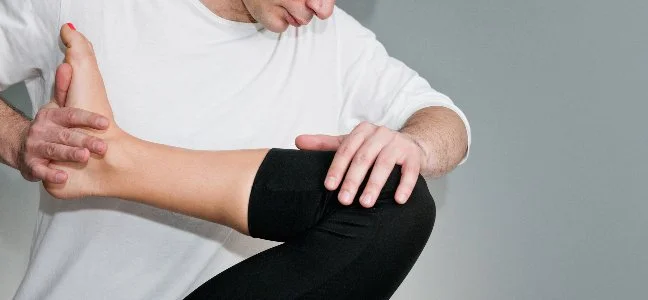
Determined to regain his life, Jackson turned to our Mississauga chiropractic clinic in search of a solution. After a comprehensive examination, our chiropractor, it was discovered that Jackson had misalignments in his lower back and hip, which were contributing to his knee pain. The chiropractor explained how these misalignments were affecting his posture and gait, putting unnecessary stress on his knee joints.
Jackson’s personalized chiropractic treatment plan included gentle spinal adjustments, targeted physical therapy exercises, and guidance on lifestyle changes. Over the course of several weeks, he diligently followed his plan, and the results were nothing short of astonishing.
Jackson’s journey wasn’t just about alleviating knee pain; it was about reclaiming his life. With every adjustment, he felt his knee pain diminish, and his mobility return. The exercises and stretches recommended by his chiropractor strengthened his knee and improved his overall stability.
Today, Jackson is back on the hiking trails throughout Mississauga again, pain-free, and full of zest for life.
You can also have healthy knees by following this 5 step roadmap:
- Understand your source of pain
- The P.O.L.I.C.E principle for musculoskeletal injuries
- Exercises and Physical Therapy
- Healthy Diet and Weight Management
- Lifestyle Changes and Prevention
So let’s get started with the 5 steps to fix your knee pain, and how can our Mississauga Chiropractor help you in this process:
Step 1: Understand the Source of Your Pain
Have you ever wondered about the diverse array of factors that can trigger knee pain, and how understanding these causes can be the first step towards finding relief and effective treatment?
Knee pain can be caused by a wide range of factors, including injuries, medical conditions, and lifestyle choices. Here are some common causes of knee pain:
Injuries:
- Sprains and Strains: Due to tearing or the over-stretching of ligaments (sprains) or muscles and tendons (strains) around the knee.
- Torn Cartilage: A tear in the cartilage (meniscus) that acts as a cushion between the bones in the knee.
- Fractures: A broken bone in or around the knee
Medical Conditions:
- Osteoarthritis: A degenerative joint condition brought on by gradual deterioration of the knee’s protecting cartilage.
- Rheumatoid Arthritis: An autoimmune disease that causes inflammation in the knee joint.
- Gout: A type of arthritis that results from the accumulation of uric acid crystals in the knee.
- Bursitis: Inflammation of the small sacs of fluid (bursae) that cushion and lubricate the knee joint.
- Patellofemoral Pain Syndrome (Runner’s Knee): Pain around the kneecap, often due to overuse.
Overuse and Misalignment:
- Poor Posture: Incorrect posture or alignment can place stress on the knee joint.
- Repetitive Movements: Activities like running, cycling, or jumping can lead to overuse injuries.
- Excessive Weight: Carrying excess body weight can strain the knee joints.
Lifestyle Factors:
- Lack of Exercise: Weak muscles around the knee can contribute to pain and instability.
- Improper Footwear: Ill-fitting or unsupportive shoes can affect knee alignment.
- Sudden Increases in Activity: A rapid increase in physical activity can strain the knee.
Other Causes:
- Infections: Infections can affect the knee joint and cause pain.
- Nerve Damage: Conditions that damage the nerves around the knee can result in pain.
- Tumors: Rarely, tumors can develop in or around the knee joint.
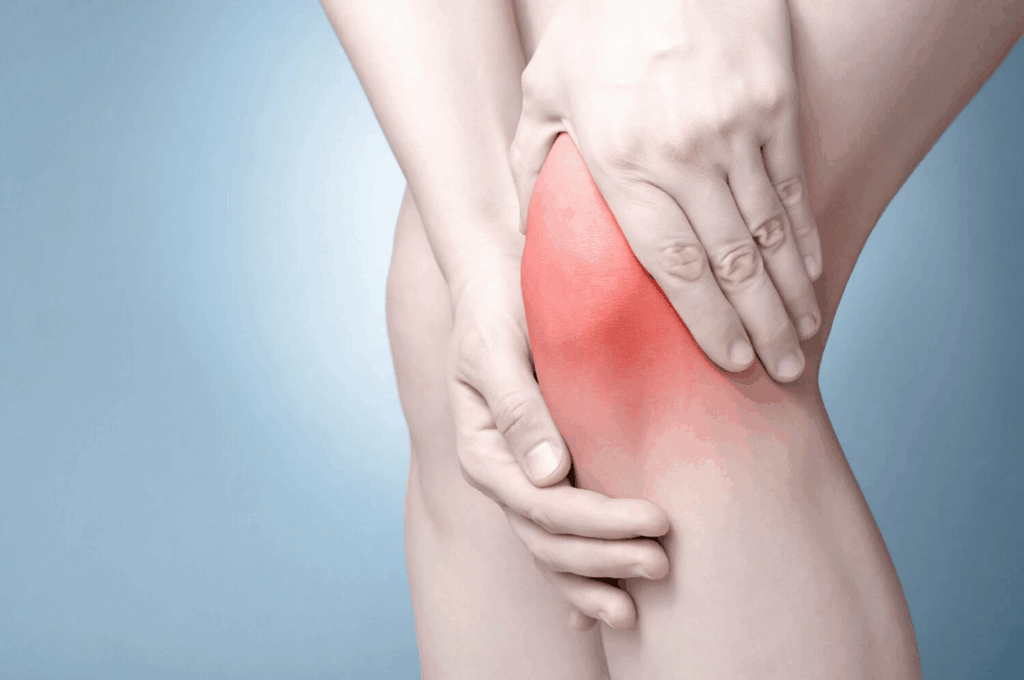
Step 2: Rest and Protect Your Knee
Once you’ve identified the cause of your knee pain, give your knee some time to heal. Avoid activities that exacerbate the pain, and consider using knee braces or supports to protect the joint. Resting your knee will help reduce inflammation and prevent further damage.
The P.O.L.I.C.E PRINCIPLE FOR MUSCULOSKELETAL INJURIES:
The P.O.L.I.C.E Principle is a modern/modified first aid method of treating musculoskeletal injuries. POLICE is an acronym that stands for protection, optimal loading, ice compression, and elevation. It promotes and guides safe and effective loading in acute soft tissue injury management.
Protection: Protect emphasizes the importance of avoiding further tissue damage. This could mean using crutches to protect an injured lower extremity, while actively engaging in daily tasks.
Optimal loading: Optimal loading is an umbrella term for mechanical loading. However, active exercises are the key to recovery and passive treatments should be used only as needed., Supports, crutches, and braces can be used to adjust the load placed on the injured tissue. However, complete rest may be harmful and inhibit recovery. Optimal loading on the other hand promotes tissue healing. Early activity encourages early recovery from an injury.
Ice Application: Ice can help to reduce the swelling around an injured muscle or joint while decreasing some of the acute pain you may be feeling. Ice can be included for pain and lymphoedema (i.e., swelling) management.
Compression: In addition to ice application, you can add compression to the injured joint or muscle with an elastic bandage. Gentle compression will allow for a reduction of overall swelling. Be careful not to apply bandages to tightly to restrict blood flow.
Elevation: An injured ankle or knee can be elevated by placing it on a stack of pillows. Elevation also helps to improve overall swelling by lowering the pressure in local blood vessels and helps to limit the bleeding. It also increases drainage of the inflammatory products through the lymph vessels, reducing and limiting edema/swelling and its resultant complications.
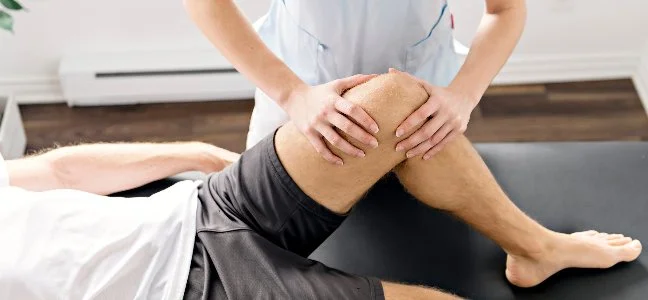
Step 3: Incorporate Gentle Exercises and Physical Therapy
Reducing knee pain through gentle exercises can be an effective way to improve joint stability, strengthen supporting muscles, and increase flexibility. Before starting any exercise routine for knee pain, it’s crucial to consult with a healthcare professional or chiropractor to ensure you’re choosing the right exercises for your specific condition. Here are some gentle exercises that can help alleviate knee pain:
Quad Sets:
- Sit with your legs straight and your back against a wall or on the floor.
- Tighten your thigh muscles (quadriceps) by pushing the back of your knee down onto the floor.
- Hold for a few seconds, then release. Repeat 10-15 times.
Hamstring Curls:
- Use a resistance band or strap for this exercise.
- Wrap the band around your ankles while lying on your stomach.
- Bend your knee to bring your heel towards your buttocks, then lower it back down.
Repeat 10-15 times on each leg.
Heel Slides:
- Bend your knees and lie on your back.
- Slowly slide one heel along the floor, straightening your knee as much as you can.
- Slide your foot back to the bent position. Repeat 10-15 times on each leg.
Ankle Pumps:
- Sit with your legs extended.
- Point your toes as far as you can, then flex your feet towards your body.
- Continue this pumping motion for about 30 seconds.
Remember to start with a low number of repetitions and gradually increase as your strength and flexibility improve. If you experience pain during any of these exercises, stop immediately and consult your chiropractor.
Step 4: Healthy Diet and Weight Management
Your knee joints may experience more strain if you are overweight. Losing weight through a balanced diet can help reduce this strain and alleviate knee pain. A well-balanced diet can play a significant role in managing knee pain, especially if it’s related to conditions like osteoarthritis or inflammation. The following dietary guidelines can help alleviate knee pain and promote overall joint health:
Omega-3 Fatty Acids: Foods rich in omega-3 fatty acids have anti-inflammatory properties that can help reduce joint inflammation and pain. Add foods like walnuts, chia seeds, flaxseeds, and fatty fish (salmon, mackerel, and sardines) to your diet.
Vitamin D: Vitamin D is essential for bone health, and a deficiency can contribute to joint pain. Get your daily dose of vitamin D from foods like fatty fish, fortified dairy products, or consider supplements if necessary.
Turmeric and Ginger: Spices like ginger and turmeric have inherent anti-inflammatory qualities. Incorporate turmeric and ginger into your cooking or try turmeric supplements after consulting with your healthcare provider.
Antioxidant-Rich Fruits and Vegetables: Colorful fruits and vegetables are loaded with antioxidants that can help reduce inflammation. Berries, cherries, kale, spinach, and broccoli are excellent choices.
Calcium-Rich Foods: Calcium is essential for bone health. Include dairy products, leafy greens, and fortified plant-based milk in your diet.
Avoid Excessive Sugar and Processed Foods: High sugar and processed foods can lead to inflammation. Minimize your intake of sugary beverages, sweets, and processed snacks.
Limit Saturated and Trans Fats: Foods high in saturated and trans fats, like fried and processed foods, can increase inflammation. Choose fats that are better for you, like those in nuts, avocados, and olive oil.
Hydration: It’s critical to maintain adequate hydration for overall joint health. Water helps lubricate the joints and can reduce friction and pain.
Step 5: Lifestyle Changes and Prevention
Stay Active with Low-Impact Exercises: Engage in low-impact exercises that are gentle on the knees, such as swimming, cycling, and water aerobics. These activities can help improve joint mobility and strengthen supporting muscles without putting too much stress on the knees.
Proper Footwear: Put on supportive, cushioned, and stable footwear that fits well. Consider custom orthotic inserts if recommended by a healthcare provider to help with alignment and support.
Good Posture: Maintain proper posture when sitting, standing, and walking. Poor posture can lead to misalignments that put added strain on your knees.
Balanced Strength Training: Strengthen the muscles around your knees, including the quadriceps, hamstrings, and calf muscles. A good physiotherapist can guide you in developing a customized strength-training program.
Stretching: Regularly perform stretches to maintain flexibility and range of motion in your knee joints. Stretching can help prevent stiffness and improve overall joint health.
Appropriate Rest: Allow your knees to rest when needed, especially after strenuous activities or when you experience pain. Adequate rest can help with the healing process.
Ergonomics: If your work involves sitting for long periods, ensure that your workspace is ergonomically designed to support good posture and minimize strain on your knees.
Now, how can our chiropractor help you with your knee pain!!
Chiropractic care is a holistic approach to healthcare that focuses on the musculoskeletal system and the body’s ability to heal itself. Chiropractors are trained to diagnose and treat issues related to the spine, muscles, and joints, including knee pain.
Chiropractic care for knee pain often revolves around the concept that proper alignment of the spine can influence the health and function of the knees. Misalignments in the foot, ankle or knees can lead to improper weight distribution, causing added strain on the knee joints. Chiropractors use a range of techniques to restore proper alignment, alleviate pain, and promote overall healing.
Initial Consultation and Examination
The journey to relieving knee pain through chiropractic care begins with an initial consultation with our chiropractor here in Mississauga. During this appointment, the chiropractor will take a thorough medical history and conduct a comprehensive physical examination. This examination helps identify the underlying causes of your knee pain, whether it’s due to misalignments, muscle imbalances, or other issues.
Diagnosis and Treatment Plan
Based on the examination results, the chiropractor will diagnose the root cause of your knee pain and develop a personalized treatment plan. This plan may include chiropractic adjustments, physical therapy exercises, and lifestyle recommendations tailored to your specific condition.
Chiropractic Adjustments
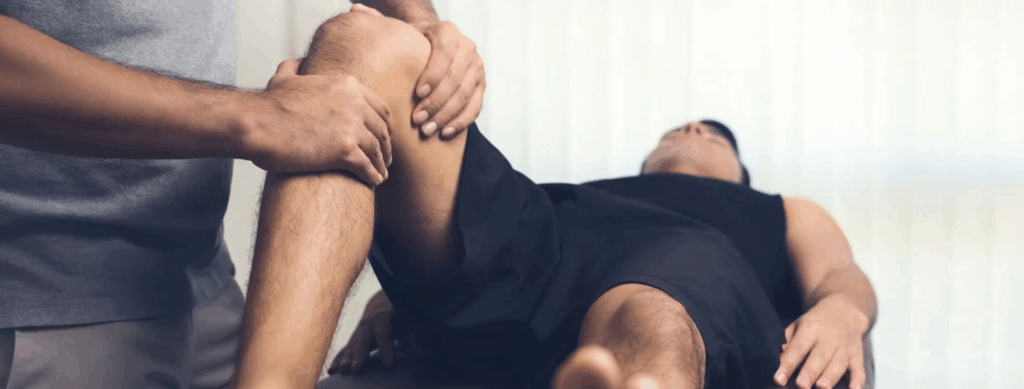
Chiropractors are well recognized for their chiropractic adjustments. These manual manipulations involve gentle, targeted movements of the spine and joints to restore proper alignment. This process reduces stress on the knee joints, helping to alleviate pain and promote healing.
Physical Therapy and Exercise
In conjunction with chiropractic adjustments, your chiropractor may recommend specific exercises and stretches designed to strengthen the muscles surrounding the knee joint. These exercises improve joint stability and flexibility, aiding in pain management and preventing future knee problems.
Lifestyle Changes and Prevention
To ensure the long-term relief of knee pain, your chiropractor will offer guidance on lifestyle modifications. These changes may include maintaining a healthy weight, using proper footwear, and avoiding activities that can exacerbate knee pain.
If knee pain is limiting your daily life or athletic performance, consider scheduling a consultation with a chiropractor who can assess your condition and guide you toward a path of pain relief, healing, and a more active lifestyle. Chiropractic care, when administered by a qualified professional, can be a valuable component of your strategy for managing and alleviating knee pain.
What’s Next?
Book your free consultation, click here